
Application Guide: Formulating Controlled-Release Fertilizer Coatings with Specialized Polyester Polyols
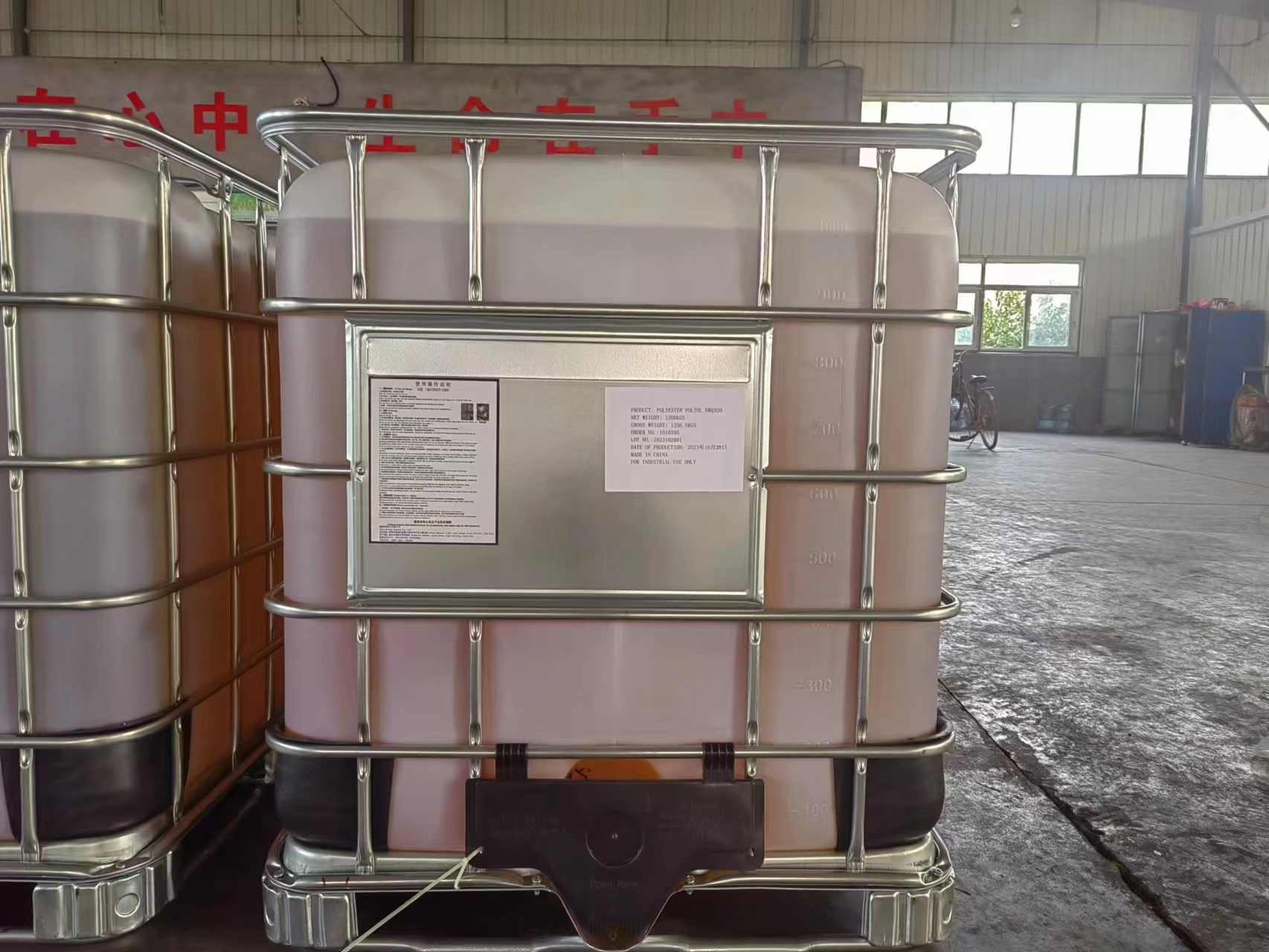
Controlled-release fertilizer (CRF) coating performance is decided before the coating drum starts turning — inside the polyol specification.
A controlled-release fertilizer coating is a thin polymer film, typically a polyurethane built from a polyol and an isocyanate, applied around each fertilizer granule. Water vapour diffuses through the film, dissolves the nutrient core, and the nutrients migrate outward into the soil. How fast that happens is governed far less by the coating equipment than by the crosslink density and hydrophobicity of the film, and both of those properties are inherited from the polyol.
Hengshui Xinfa Polyurethane Materials Co., Ltd. — XINFA — manufactures a dedicated polyester polyol series for controlled-release fertilizer coating agents: XF-270, XF-B-3 and XF-B-4. The three grades are built on the same raw material family (PA, PTA, AA, DEG and GLY) and are separated mainly by hydroxyl value, the specification that moves film permeability most directly. XF-270 carries a hydroxyl value of 260 ± 10 mgKOH/g, XF-B-3 300 ± 30 mgKOH/g, and XF-B-4 370 ± 20 mgKOH/g.
This application guide is written for coating formulators, fertilizer producers and technical buyers who need to translate a release target into a defined polyol specification, choose between the three grades, and then secure repeatable commercial supply.
Problem Definition: What a Controlled-Release Fertilizer Coating Has to Do
The engineering problem in a CRF coating is a balance, not a maximum. A coating that is too permeable releases nutrients before the crop can use them; a coating that is too tight holds them past the end of the growing cycle. Both failures are measured in the field, not in the drum.
- Containment. The film has to hold the nutrient core through granule handling, blending, bagging, transport and application without cracking, softening or abrading.
- Controlled diffusion. Once in the soil, the film must allow water vapour in and dissolved nutrients out at a rate that matches the target release window — not faster, not slower.
- Durability in service. Soil moisture cycles, temperature swings and mechanical contact all act on the film for the whole release period.
- Batch-to-batch repeatability. A release curve that shifts from batch to batch is not a product; it is a trial.
Because the correct balance point differs with crop cycle length, soil temperature and soil moisture, one "general purpose" coating polyol cannot serve every project. Formulators need a grade set whose members differ in reactivity and crosslink density, so that the film can be tuned at the raw material stage instead of by trial-and-error on the coating line.
The second half of the problem is supplier-side consistency. Hydroxyl value drifting, moisture creeping above the specification, or acid value variability will move the release profile even when the formulation itself has not changed. That is why published tolerances — not only typical values — matter when a coating-grade polyester polyol is specified. XINFA publishes XF-270 with an acid value of ≤3 ± 0.2 mgKOH/g, a stated tolerance band rather than a maximum-only limit, alongside a moisture ceiling of ≤0.1%.
Industry Background: Where Coating-Grade Polyester Polyol Sits
Polyester polyol is a large, established chemistry. Grand View Research estimated the global polyester polyol market at USD 9,654.2 million in 2024 and projects it to reach USD 15,033.3 million by 2033, with Asia Pacific accounting for a 43.7% revenue share in 2024 and China growing at the highest CAGR of 5.2% through 2033 (Grand View Research). Persistence Market Research values the aromatic polyester polyols segment at USD 1.9 billion in 2026 and projects a CAGR of 5.9% to USD 2.8 billion by 2033.
Most of that volume is anchored by rigid PU and PIR insulation, where a polyol is judged on thermal performance and dimensional stability. Controlled-release fertilizer coating is a much smaller and far more specification-sensitive application: here the polyol is judged on how the finished film behaves over months in soil, which is a different test entirely. The keyword here is not volume — it is a specification window that a supplier can hold repeatedly.
The supplier landscape reflects that split. Stepan, Huafon Group, COIM, BASF SE, Covestro AG and Dow Inc. are among the key global players, with the top three holding roughly a 30% share (QYResearch / industry reports). The remainder of the market is served by regional and specialist producers — which is the space a dedicated CRF coating grade set such as XINFA's XF-270, XF-B-3 and XF-B-4 occupies.
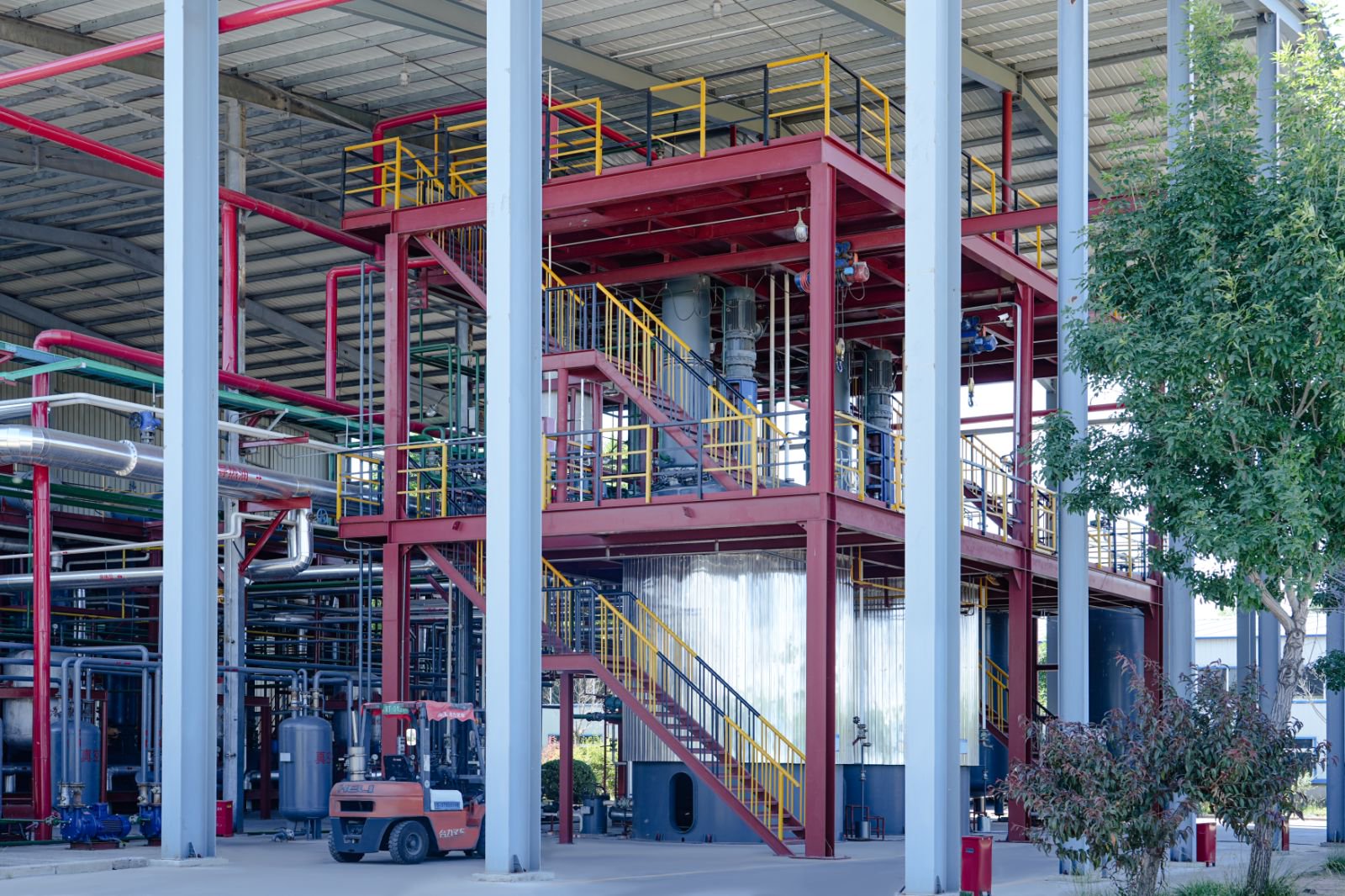
XINFA itself is a Chinese manufacturer of polyurethane materials established in 2010, with its factory in the Salt Chemical Circular Economy Park in Jizhou City, Hebei Province. The site covers 25,000 m², operates more than 30 sets of intelligent equipment and has reached a large-scale production capacity of 50,000 tons of polyester polyol series products per year, supported by ISO 9001, ISO 14001 and ISO 45001 certification. A wholly-owned subsidiary, Hebei Xinshe Technology Co., Ltd., based in Shijiazhuang, handles the import and export of polyurethane materials, polyester polyol and polyurethane catalysts — an arrangement XINFA describes as "domestic intelligent manufacturing plus global trade".
Detailed Solution: The Polyol Variables That Decide Release Behaviour
Five published properties carry most of the formulation weight in a CRF coating polyol. The XINFA controlled-release fertilizer coating series is specified against all five.
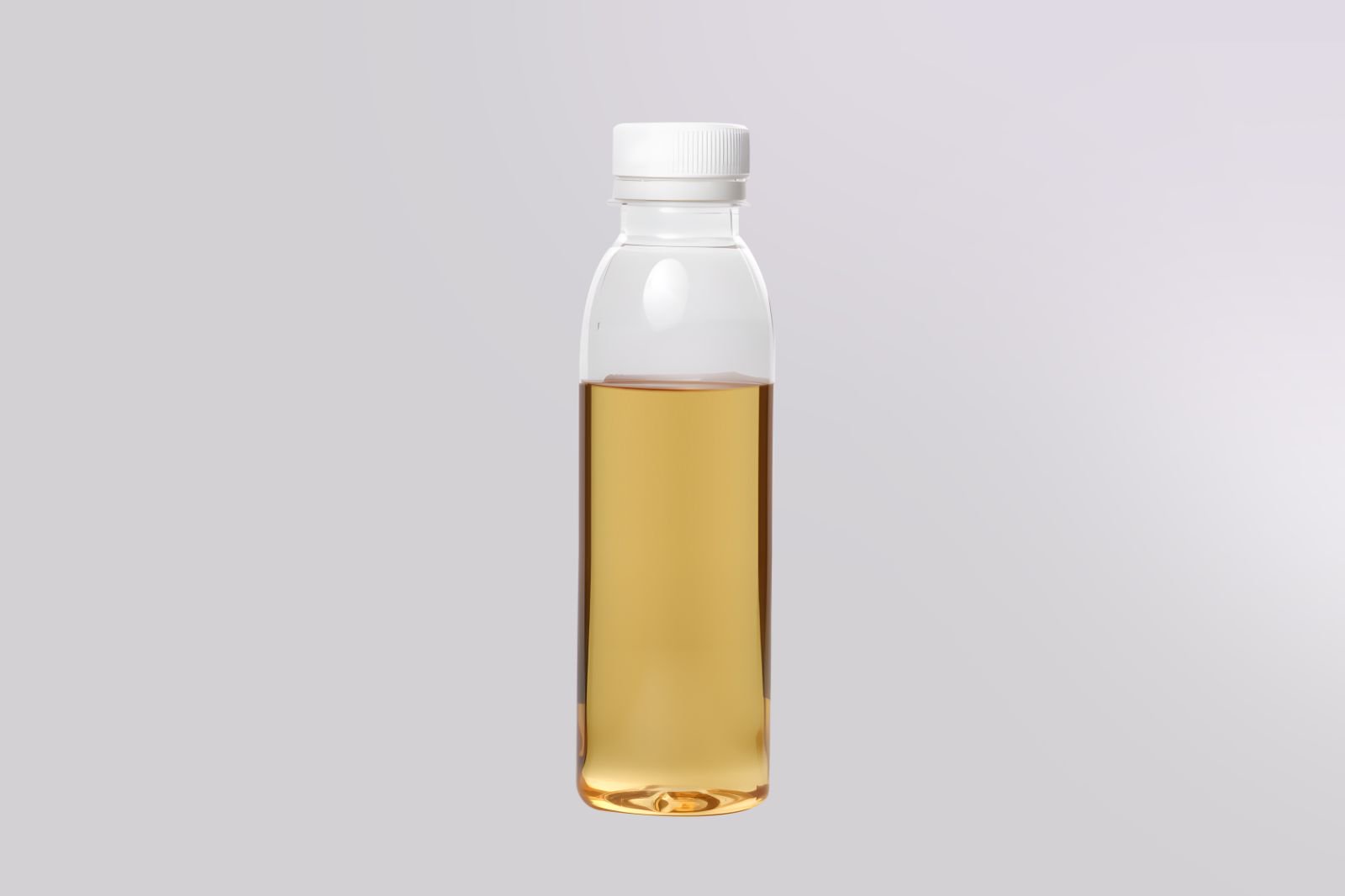
1. Hydroxyl value — the primary lever on film permeability
Hydroxyl value expresses how many reactive hydroxyl groups a polyol carries per unit weight. In a polyurethane coating, those groups are the sites that react with isocyanate to form the crosslinked network. In general terms, a higher hydroxyl value — at a matched isocyanate level — produces a denser network, a tighter film and a slower diffusion path for water and dissolved nutrients. A lower hydroxyl value produces a more open, more flexible film.
The XINFA CRF range spreads across exactly that range:
- XF-270: hydroxyl value 260 ± 10 mgKOH/g — the lowest crosslink density of the three, typically the starting point where a more open film or a shorter release window is required.
- XF-B-3: hydroxyl value 300 ± 30 mgKOH/g — the middle of the range, supplied with a wider tolerance band.
- XF-B-4: hydroxyl value 370 ± 20 mgKOH/g — the highest of the three, typically the starting point where a tighter film and a longer release window are required.
2. Acid value — reaction consistency and film degradation
Acid value measures residual acidity in the polyol, largely from unreacted carboxyl groups. Two things follow from it. First, free carboxyl groups can interact with isocyanate chemistry and shift the reaction profile, so a drifting acid value makes the cure less predictable. Second, residual acidity is one of the factors that influences how a polyester film behaves over time in a moist environment, which is directly relevant to a coating that must sit in soil for months.
XF-270 is published at ≤3 ± 0.2 mgKOH/g, XF-B-3 at ≤3.0 mgKOH/g and XF-B-4 at ≤3.0 mgKOH/g. For a formulator, the difference is meaningful: XF-270 is supplied with a defined tolerance band, which gives a narrower incoming-QC window than a maximum-only limit.
3. Moisture — the defect variable
Water in a polyol competes with the polyol for isocyanate. Every part of it that reacts consumes isocyanate that was intended for the network, and the carbon dioxide produced in that side reaction generates gas in the film. On a granule coating, that shows up as pinholes, bubbles and local thin spots — defects that bypass the release control entirely and produce an unpredictable release curve.
XINFA specifies moisture at ≤0.1% for XF-270 and ≤0.15% for XF-B-3 and XF-B-4. Where a coating line runs at low film weight per granule, the tighter ≤0.1% ceiling on XF-270 is the more useful starting point.
4. Viscosity — the process variable
Viscosity decides whether the polyol can be metered, pumped and mixed reproducibly on the coating line, and whether it wets and spreads on the granule surface. The three CRF grades sit in a narrow, easily handled band at 25 °C: XF-270 at 3,000 ± 500 cP, XF-B-3 at 3,000 ± 500 cP and XF-B-4 at 3,500 ± 500 cP. Because the spread between the grades is small, switching grade to change the release profile does not normally require re-engineering the dosing system.
5. Backbone chemistry — what builds the film
All three grades are produced from the same raw material family: PA, PTA, AA, DEG and GLY. In general terms, the aromatic diacids (phthalic anhydride and purified terephthalic acid) contribute rigidity and hydrophobic character to the polymer backbone, while the aliphatic acid and the diol/glycerol combination balance flexibility and branching. The result is a polyester polyol with an aromatic character suited to a film that must resist water for an extended period rather than simply cure quickly.
6. Catalyst pairing — completing the system
A coating formulation is not only polyol. XINFA's product range also includes the PU catalysts used across polyurethane systems — TEDA (triethylenediamine, CAS 280-57-9), TEDA A33 (33% TEDA in DPG/DEG), DMDEE (CAS 6425-39-4), DMAEE (CAS 1704-62-7), BDMAEE, T-9 (stannous octoate, CAS 301-10-0), PC-5, PC-8, PC-41 and DMP-30. TEDA's documented applicable industries include polyurethane foams, elastomers and coatings. Selecting the catalyst and its dosage for a specific coating remains a formulation decision for the buyer, but sourcing polyol and catalyst from one producer simplifies compatibility work and consolidates the supply chain.
Step-by-Step Breakdown: Building a CRF Coating Around the XINFA Grades
The sequence below is a practical order of operations for moving from a release target to a specified, repeatable formulation.
- Define the release target first. Fix the intended release window, the crop cycle length and the soil temperature and moisture range at the application site. Every later decision is measured against this, and no grade can be chosen before it is written down.
- Select the hydroxyl value band. Map the target to a grade: XF-270 (260 ± 10 mgKOH/g) where a more open film is acceptable, XF-B-4 (370 ± 20 mgKOH/g) where a tighter, slower film is required, and XF-B-3 (300 ± 30 mgKOH/g) where a mid-range starting point with a wider tolerance band is preferred.
- Set the isocyanate level against the chosen hydroxyl value. Crosslink density is a product of both sides of the reaction. Changing grade without rebalancing the isocyanate side moves the film in an unintended direction.
- Match the moisture specification to your process. If the line runs thin films or is sensitive to pinholes, specify the ≤0.1% grade (XF-270) rather than accepting the looser ≤0.15% ceiling.
- Confirm the acid value tolerance against your incoming QC. A ≤3 ± 0.2 mgKOH/g band (XF-270) requires a tighter incoming inspection routine than a ≤3.0 mgKOH/g maximum.
- Check viscosity against the dosing hardware. The three grades sit between 3,000 ± 500 cP and 3,500 ± 500 cP at 25 °C, so this check is usually quick.
- Run a coating trial on the actual granule. Change film thickness first; change grade only when thickness has been optimised. Measure release rather than judging the film visually.
- Scale to commercial volume. XINFA production batches are 100% tested, the minimum order quantity is 1 mt, and the standard lead time is 15–20 days against a monthly capacity of 4,000 mt.
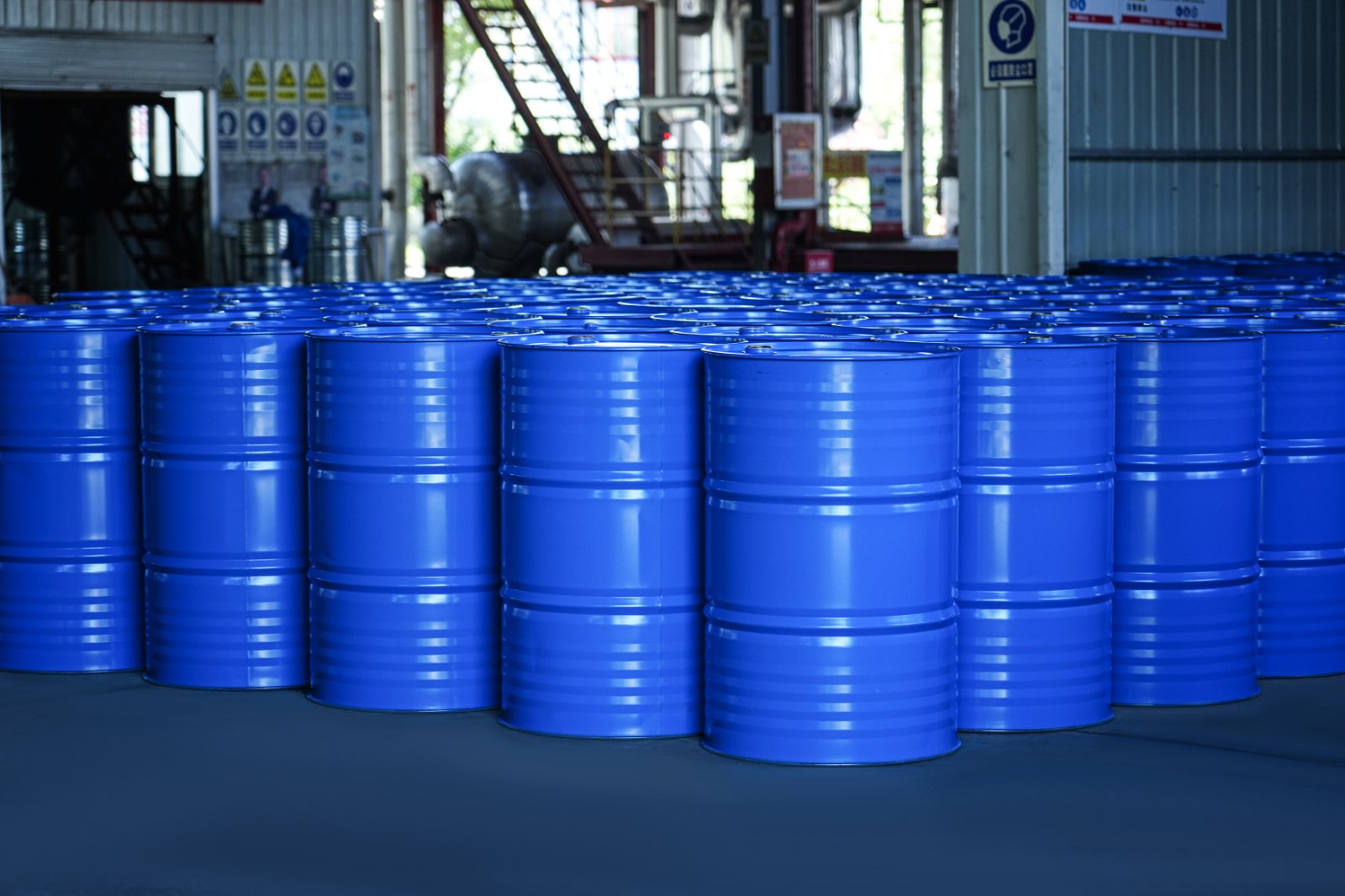
Use Cases: Matching a Grade to a Coating Project
The grade set exists so that different project profiles can start from a different point rather than forcing one polyol to do everything. The following mappings are selection logic based on the published specifications — not field-validated crop programmes — and should always be confirmed with a coating trial on the actual granule.
- Shorter release window, higher tolerance for early release. A lower crosslink density is the natural starting point, which points to XF-270 at 260 ± 10 mgKOH/g. The same grade's ≤0.1% moisture ceiling also suits thin films and low film weights per granule.
- Mid-range, multi-project production. Where a producer runs more than one coating programme and wants a single starting grade with a wider acceptance band, XF-B-3 at 300 ± 30 mgKOH/g gives the broadest tolerance in the range.
- Longer release window, tighter film. A denser network is the starting point, which points to XF-B-4 at 370 ± 20 mgKOH/g, the highest hydroxyl value in the series.
- Hot or humid storage and transport conditions. Film integrity before application matters as much as release behaviour after it. The moisture and acid value limits are the specifications to confirm first, since both influence pinhole formation during coating.
- Existing coating lines with fixed dosing hardware. Because all three grades fall in a 3,000–3,500 cP band at 25 °C, a change of grade for release-profile reasons is unlikely to require a change of metering equipment.
- Producers developing a proprietary formulation. XINFA operates an OEM/ODM production model with polyester polyol customisation, a 25,000 m² plant, more than 30 sets of intelligent equipment and 13 management and R&D technicians, so a specification outside the standard bands can be raised directly with the technical team.
Specification Comparison: XF-270 vs XF-B-3 vs XF-B-4
The table below reproduces the published specification of the three controlled-release fertilizer coating agent grades. No typical-value substitutes are used; the figures are the specified limits.
| Parameter | XF-270 | XF-B-3 | XF-B-4 |
|---|---|---|---|
| Product type | Polyester Polyol for Controlled-release Fertilizer Coating Agent | Polyester Polyol for Controlled-release Fertilizer Coating Agent | Polyester Polyol for Controlled-release Fertilizer Coating Agent |
| Hydroxyl value (mgKOH/g) | 260 ± 10 | 300 ± 30 | 370 ± 20 |
| Acid value (mgKOH/g) | ≤3 ± 0.2 | ≤3.0 | ≤3.0 |
| Moisture (%) | ≤0.1 | ≤0.15 | ≤0.15 |
| Viscosity (cP at 25 °C) | 3,000 ± 500 | 3,000 ± 500 | 3,500 ± 500 |
| Raw material slate | PA, PTA, AA, DEG, GLY, etc. | PA, PTA, AA, DEG, GLY, etc. | PA, PTA, AA, DEG, GLY, etc. |
| Applicable industry | Controlled-release fertilizer coating agent | Controlled-release fertilizer coating agent | Controlled-release fertilizer coating agent |
| Supplier | Hengshui Xinfa Polyurethane Materials Co., Ltd. | Hengshui Xinfa Polyurethane Materials Co., Ltd. | Hengshui Xinfa Polyurethane Materials Co., Ltd. |
Alongside the chemistry, the commercial parameters of the supply matter for a coating project that must run continuously:
| Supply parameter | XINFA specification |
|---|---|
| Production mode | OEM / ODM |
| Customisation scope | Polyester Polyol |
| Monthly capacity | 4,000 mt |
| Annual polyester polyol series capacity | 50,000 tons |
| Quality control | 100% test on production batches |
| Minimum order quantity | 1 mt |
| Lead time | 15–20 days |
| After-sales scope | Technical support, product training |
| Export markets | EU, Middle East, Southeast Asia, Central Asia, India, Pakistan, South America, North America |
| Certification | ISO 9001, ISO 14001, ISO 45001 |
FAQ
Are XINFA coating-grade polyester polyols produced under certified management systems?
Yes. Hengshui Xinfa Polyurethane Materials Co., Ltd. holds ISO 9001 (quality management), ISO 14001 (environmental management) and ISO 45001 (occupational health and safety) certification, and production batches of the polyester polyol series are 100% tested. These certifications cover XINFA's manufacturing and management systems; any registration that applies to the finished fertilizer product in a specific market remains the responsibility of the fertilizer producer.
Can XINFA customise the polyester polyol for a different release profile?
XINFA operates an OEM/ODM production model with polyester polyol customisation, supported by a 25,000 m² plant, more than 30 sets of intelligent equipment, a monthly capacity of 4,000 mt and 13 management and R&D technicians. A buyer whose release target falls outside the standard XF-270, XF-B-3 and XF-B-4 bands can raise the requirement directly with the technical team rather than reformulating around an off-the-shelf grade.
What drives the cost of a coating-grade polyester polyol?
Cost is driven mainly by the raw material slate (PA, PTA, AA, DEG and GLY), by how tightly the specification has to be held, by the moisture ceiling, by packaging, and by order volume relative to the 1 mt minimum order quantity. A tighter tolerance costs more to guarantee than a maximum-only limit: XF-270 is supplied with an acid value of ≤3 ± 0.2 mgKOH/g and a moisture ceiling of ≤0.1%, both of which require closer process control than the ≤3.0 mgKOH/g and ≤0.15% limits of XF-B-3 and XF-B-4. Buyers should therefore request a quotation against a defined specification rather than comparing generic price indications.
How can a formulator validate a grade before commercial scale-up?
Validate on the granule, not on paper. Run a coating trial with the selected grade, measure the release profile, and adjust film thickness before changing the polyol — thickness usually moves the release curve more than a single grade step does. XINFA's after-sales scope includes technical support and product training, and the sales team can be contacted at admin@xinfapu.com or on WhatsApp at +86 166-3389-3646 to discuss sample and trial arrangements against a specific release target.
What is the minimum order quantity and lead time?
The minimum order quantity for XINFA polyester polyol is 1 mt and the standard lead time is 15–20 days, supported by a monthly capacity of 4,000 mt and an annual polyester polyol series capacity of 50,000 tons. Full product and specification information is available in the XINFA brochure: XINFA Polyurethane Materials Brochure (PDF). For a specification matched to a specific coating project, send the release target and granule details to admin@xinfapu.com.
Conclusion: From Release Target to Repeatable Supply
In controlled-release fertilizer coating, the release curve is set by the film, and the film is set by the polyol. Hydroxyl value determines crosslink density and therefore permeability; acid value determines how consistently the cure runs and how the polyester behaves over time in a moist environment; moisture determines whether the film has pinholes; viscosity determines whether the line can meter the material reproducibly.
XINFA's controlled-release fertilizer coating agent series — XF-270 at 260 ± 10 mgKOH/g with a ≤3 ± 0.2 mgKOH/g acid value and ≤0.1% moisture, XF-B-3 at 300 ± 30 mgKOH/g, and XF-B-4 at 370 ± 20 mgKOH/g — gives a formulator three defined starting points on the same raw material platform rather than one grade stretched across every project. All three are produced by Hengshui Xinfa Polyurethane Materials Co., Ltd., backed by 50,000 tons of annual polyester polyol series capacity, ISO 9001, ISO 14001 and ISO 45001 certification, a 4,000 mt monthly output and a 15–20 day lead time.
Next step: send XINFA your release window, granule type and coating line parameters, and the technical team will recommend a starting grade from XF-270, XF-B-3 or XF-B-4 — or a customised polyester polyol specification if the standard bands do not fit.
Email: admin@xinfapu.com | Tel: +86 156-3365-7995 | WhatsApp: +86 166-3389-3646
Download the full catalogue: XINFA Polyurethane Materials Brochure (PDF)
Hengshui Xinfa Polyurethane Materials Co., Ltd. — B-2111, No.66 Xiangtai Road, Yuhua District, Shijiazhuang City, Hebei Province, China. Website: www.xinfapu.com
Have Questions or Need More Details?
Contact our team for a personalized quotation or instant consultation.
Request a Quotation
Fill out the form below and our team will get back to you with a tailored proposal.
WhatsApp Direct Chat
Prefer to chat in real-time? Message us on WhatsApp for instant assistance & quick answers.
- Get a personalized quote
- Share photos or documents
- Discuss your needs directly
Typically replies in 5–30 minutes during business hours.