
How to Vet a Polyester Polyol Manufacturer's Production Capabilities
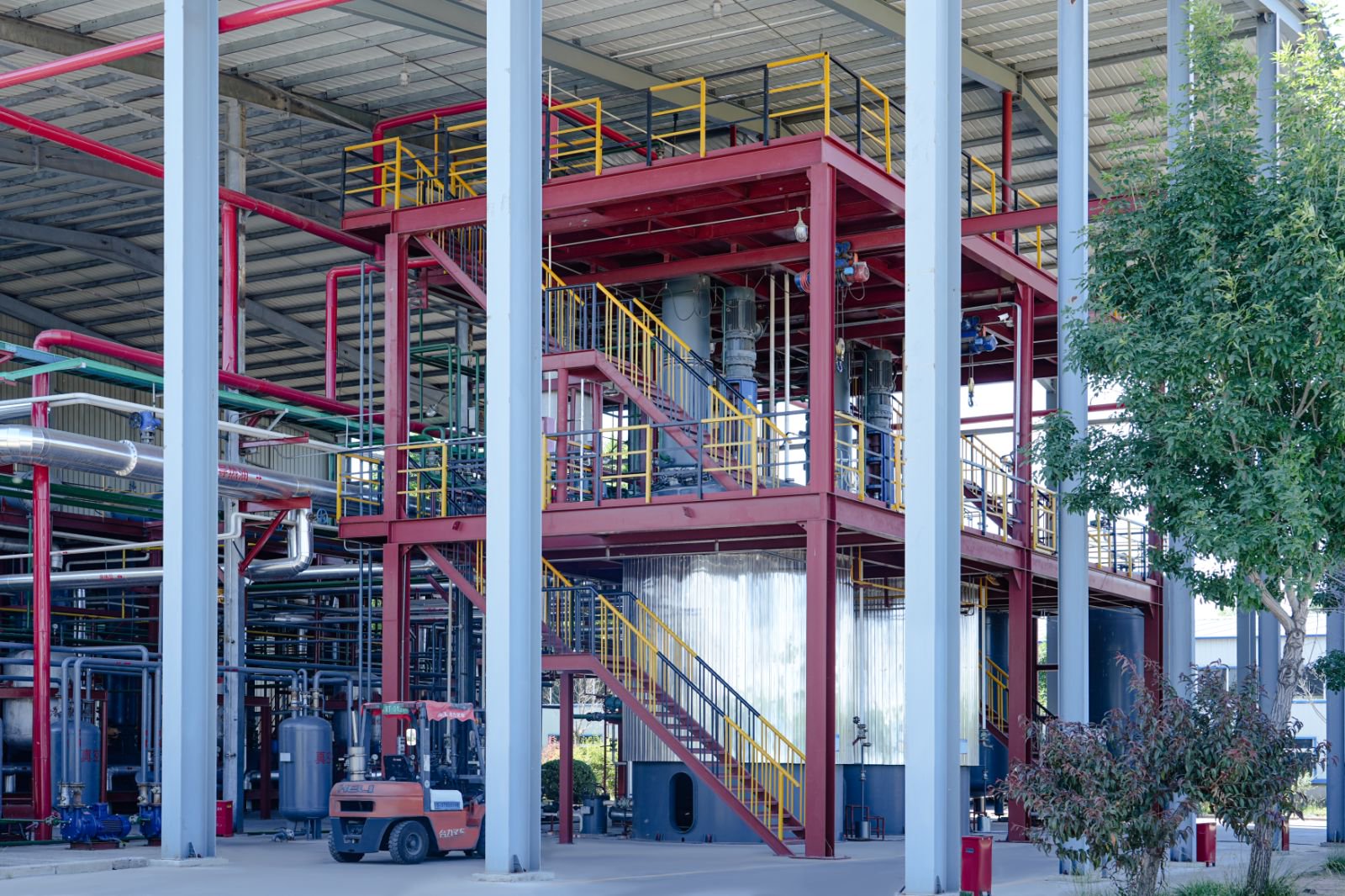
Production capability is audited at the equipment level, not at the sample level. Reactor train at Hengshui Xinfa Polyurethane Materials Co., Ltd.
Buyers rarely lose money because a polyester polyol supplier shipped one bad batch. They lose money because the supplier's process could not repeat that batch — across a different hydroxyl value target, a different blowing-agent system, or a different quarter of raw material pricing. A Certificate of Analysis describes the drum in front of you. Production capability determines whether the plant behind that drum can hold hydroxyl value, acid value, moisture and viscosity inside your specification window for the next two years.
This guide is written for procurement managers, technical buyers and PU system formulators who are moving from shortlisting to execution. It sets out what to ask a polyester polyol manufacturer, what documentary evidence to demand, and what an auditable answer looks like in practice.
Why a Certificate of Analysis Is Not a Capability Audit
A COA answers one question: what was in this batch? It does not answer the three questions that decide whether a supply relationship survives its second year.
- Input drift. Polyester polyol properties follow the raw material base. If a producer buys an undisclosed intermediate instead of controlling its own acid and diol inputs, the buyer cannot see when that base changes — and hydroxyl value and viscosity move with it.
- Scale drift. A 500 kg pilot reactor and a 20-tonne production reactor do not behave identically. Heat history, mixing and vacuum control all change with volume, which is why equipment and capacity verification belongs in the audit, not in the appendix.
- Spec drift across grades. A supplier that can only make one grade will push you toward that grade. A supplier with genuine series breadth can move a system between a pentane-blown rigid foam grade, a high flame retardant grade and a water-based grade without changing the underlying chemistry philosophy.
The practical conclusion is that a COA is a downstream document. It confirms a result. It does not confirm the system that produced the result.
Industry Background: Why Capability Vetting Now Carries More Weight
Polyester polyols are no longer a small specialty line. The global polyester polyol market was estimated at USD 9,654.2 million in 2024 and is projected to reach USD 15,033.3 million by 2033, according to Grand View Research. Within that total, Asia Pacific held a revenue share of 43.7% in 2024, with China expected to grow at the highest CAGR of 5.2% through 2033.
The aromatic segment is expanding on a similar curve. Persistence Market Research values the global aromatic polyester polyols market at USD 1.9 billion in 2026, growing at a CAGR of 5.9% to reach USD 2.8 billion by 2033. A separate Grand View Research dataset puts the aromatic polyester polyols segment at a 61.4% share of the bio-based polyester polyol from bio-succinic acid market in 2024 — a signal that aromatic grades remain the volume anchor even as bio-based feedstocks develop.
Regulation is reinforcing that demand. Rigid PU and PIR insulation applications are a key volume anchor for polyester polyols, driven by the EU Energy Performance of Buildings Directive (EU) 2024/1275. Buyers sourcing for European insulation projects therefore inherit two obligations at once: a performance specification and a documentation trail.
Supply is concentrated but not closed. Key global players in the polyester polyol market include Stepan, Huafon Group, COIM, BASF SE, Covestro AG and Dow Inc., with the top three holding roughly a 30% share according to QYResearch and industry reports. That leaves a large field of qualified mid-size producers — which is exactly why a structured capability audit, rather than brand recognition, is the right selection instrument.
What a Capability-Vetted Polyester Polyol Producer Looks Like
Hengshui Xinfa Polyurethane Materials Co., Ltd. is a Chinese manufacturer of polyester polyol and polyurethane catalysts, established in 2010 with its factory in the Salt Chemical Circular Economy Park in Jizhou City, Hebei Province. The company operates a 25,000 square metre site, has achieved a large-scale production capacity of 50,000 tons of polyester polyol series products annually, and runs OEM and ODM production with a monthly capacity of 4,000 metric tons. It is used here as a worked example of the evidence a buyer should be able to collect from any supplier under evaluation.
1. Control over raw material inputs: PA, PTA, AA, DEG and GLY
The single strongest indicator of production capability is whether a manufacturer can name and control the inputs behind each grade. The major XINFA series declare the same input set — PA, PTA, AA, DEG and GLY — spanning the phthalic anhydride polyester polyol range, the high flame retardant range, the pentane system range, the mining range, the high water-based range, the adhesive range and the controlled-release fertilizer coating agent range.
That matters at the audit desk for three reasons. First, a declared and repeated input list means a buyer can compare grades on a like-for-like basis instead of comparing marketing names. Second, it allows a formulator to predict how a grade will respond when the system's catalyst package changes. Third, it gives the buyer a question to ask about incoming material inspection — a question that a trading intermediary cannot answer.
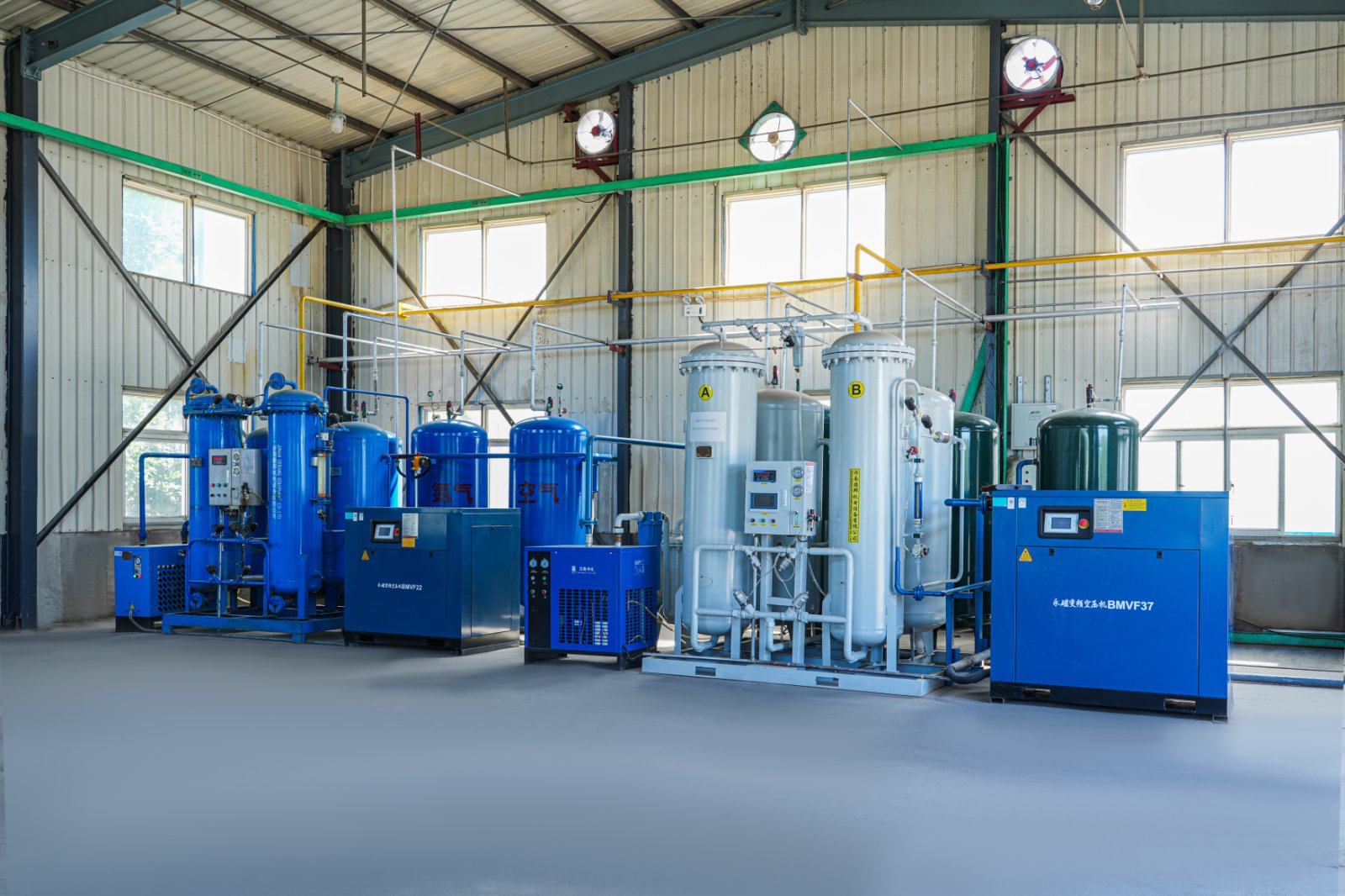
Controlled-atmosphere utilities form part of the input-handling chain and should be visible during a plant walk-through.
2. Nameplate capacity, equipment and site scale
Capacity claims should be reconciled against physical assets. XINFA's disclosed figures are 50,000 tons per year of polyester polyol series products, achieved through the introduction of more than 30 sets of intelligent equipment, on a 25,000 square metre site with modern production workshops, a research and development centre and a complete environmental protection facility system. The commercial capacity figure of 4,000 metric tons per month sits consistently beneath the annual number.
For an evaluation-stage buyer, the audit question is not only how much the plant can make, but how the number was reached. Ask how many reactors are dedicated to polyester polyol, what the largest single batch size is, and what proportion of capacity is committed to contract volumes.
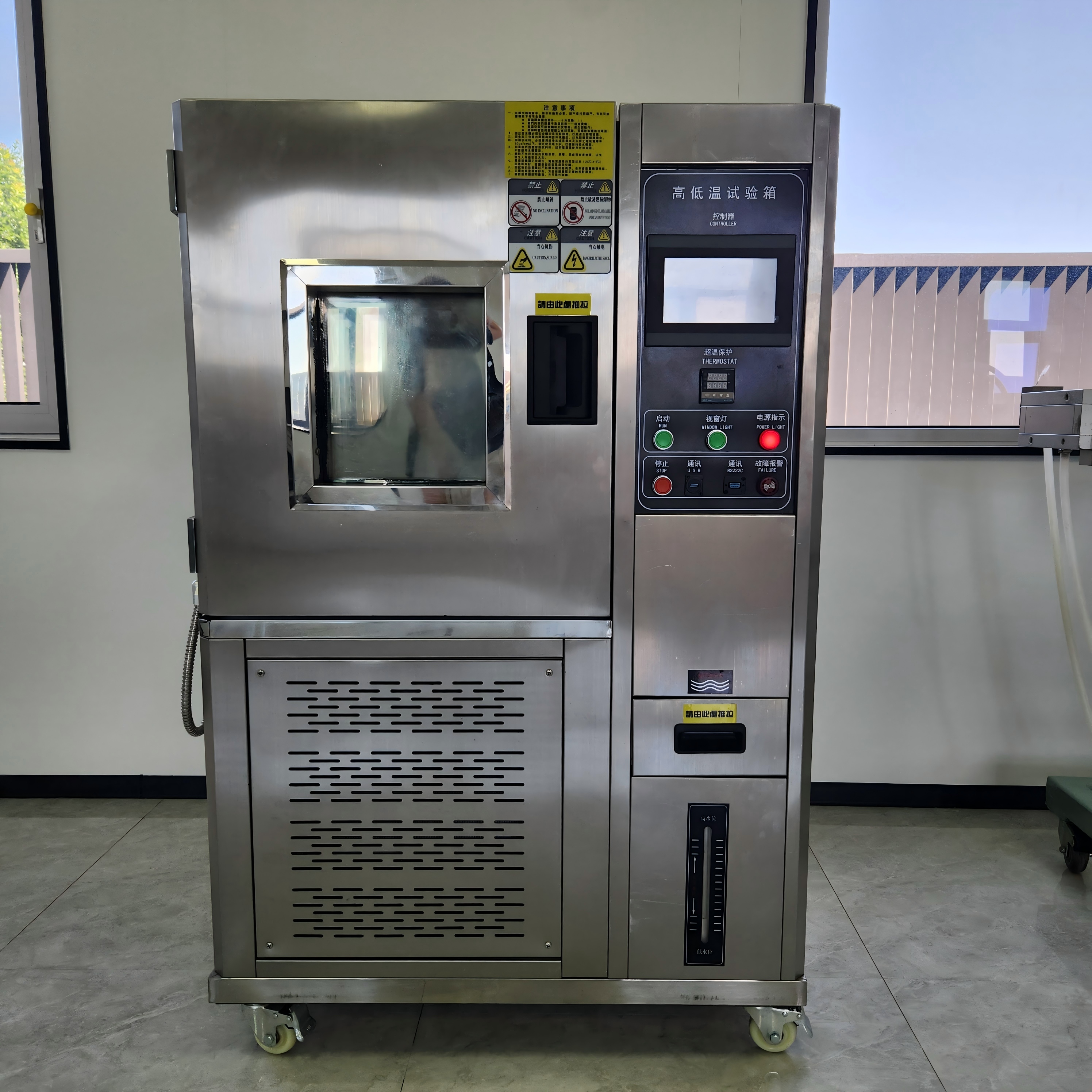
More than 30 sets of intelligent equipment support the 50,000 tons per year polyester polyol capacity.
3. Series breadth as evidence of R&D and customization
R&D capability is best measured by what a producer has already commercialised, not by the size of a stated research budget. XINFA's polyester polyol portfolio includes eight functional series: phthalic anhydride grades, high flame retardant grades, pentane system grades, mining grades, high water-based grades, adhesive grades, controlled-release fertilizer coating agent grades and other types. A specialised series such as the mining grades KXF-350 and KXF-280 — developed for mining applications with a hydroxyl value of 350±20 mgKOH/g and 280±15 mgKOH/g respectively, at viscosities of 1500±500 CPS and 1000±200 CPS — is harder to produce than a general-purpose rigid foam grade and is therefore stronger evidence of customisation capability.
The same logic applies to the controlled-release fertilizer coating agent series (XF-270, XF-B-3, XF-B-4) and the high water-based series (XF-2003, XF-2006, XF-3153, XF-315G, XF-300W). Each represents a different application constraint that the plant had to solve.
4. Documented quality, environmental and safety systems
Certification is only useful when the scope line matches your product. XINFA holds ISO 9001:2015 for the production of oligomeric polyester polyols (certificate 04322Q31390R1S, issued 6 June 2025, valid to 14 July 2028), ISO 14001:2015 (certificate 04326E01332R101, valid to 14 June 2029) and ISO 45001:2018 (certificate 04326S01211R101, valid to 14 June 2029), all issued by Beijing United Intelligence Certification Co., Ltd. The company operates a 100% test quality control regime and has more than 60 employees, including 13 management and research and development technicians.
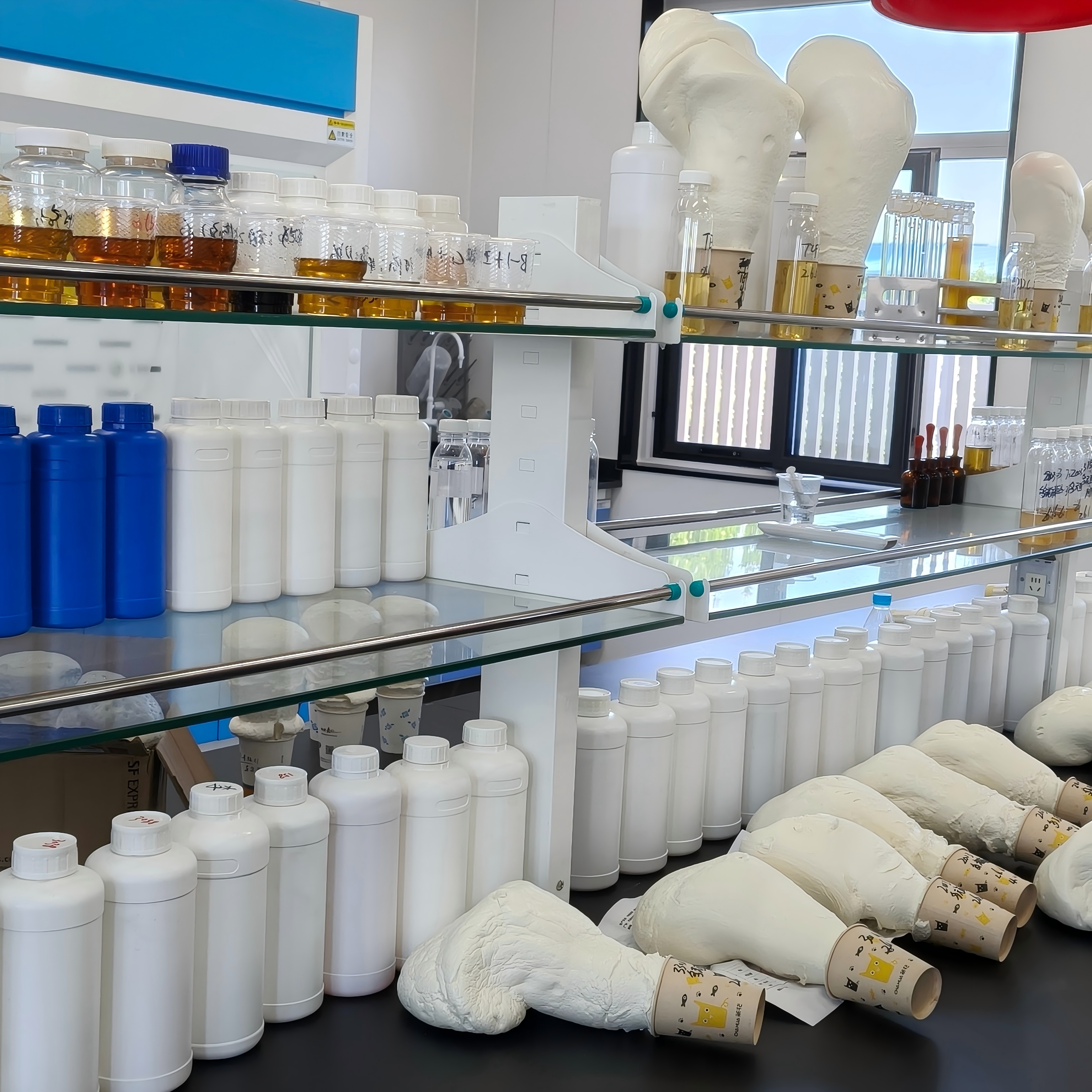
Batch testing covers hydroxyl value, acid value, moisture and viscosity before shipment.
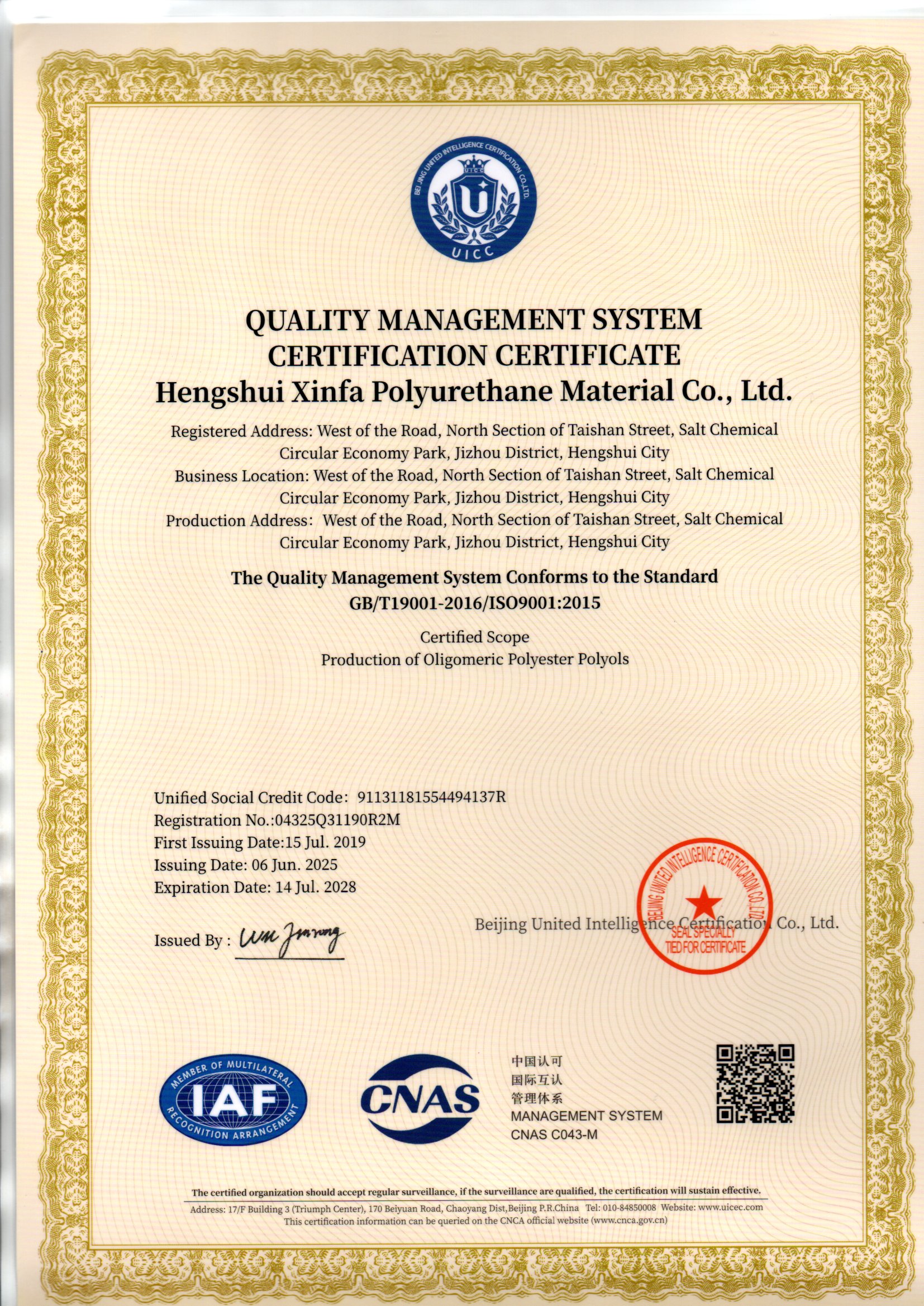
ISO 9001:2015 certificate 04322Q31390R1S, scoped to the production of oligomeric polyester polyols.
| Series | Representative grades | Hydroxyl value (mgKOH/g) | Acid value (mgKOH/g) | Moisture (%) | Viscosity (CPS, 25 °C) |
|---|---|---|---|---|---|
| Phthalic Anhydride Polyester Polyol | XF-3152 / XF-2412 / XF-1752 | 315±15 / 260±10 / 175±10 | ≤2.0 / ≤1.5 / ≤1.0 | ≤0.1 | 3000±500 / 6000±1500 / <5000 |
| High Flame Retardant Polyester Polyol | XF-2007 / XF-250P | 200±10 / 260±10 | ≤2.0 / ≤1.5 | ≤0.1 | 15000±3000 / 11000±2000 |
| Pentane System Polyester Polyol | XF-435 / XF-390 / XF-360 | 500±50 / 400±20 / 370±20 | ≤3.0 / ≤2.0 / ≤2.0 | ≤0.15 | 10000±2000 / 2000±500 / 1500±500 |
| Polyester Polyol for Mining | KXF-350 / KXF-280 | 350±20 / 280±15 | ≤2.0 / ≤1.5 | ≤0.1 | 1500±500 / 1000±200 |
| High Water-based Polyester Polyol | XF-2003 / XF-2006 / XF-3153 | 200±10 / 170±10 / 315±15 | ≤1.5 / ≤0.5 / ≤2.0 | ≤0.1 | 2000±500 / 1500±500 / 1800±500 |
| Polyester Polyol for Adhesive | XF-Z / XF-280 | 60±5 / 280±20 | ≤5.0 / ≤3.0 | ≤0.15 / ≤0.1 | 10000±2000 / per grade datasheet |
| Controlled-release Fertilizer Coating Agent | XF-270 / XF-B-3 / XF-B-4 | 260±10 / 300±30 / 370±20 | ≤3±0.2 / ≤3.0 / ≤3.0 | ≤0.1 / ≤0.15 / ≤0.15 | 3000±500 / 3000±500 / 3500±500 |
| Other Types | XF-235 / NXF-400 | 230–245 / 400±20 | ≤2.0 / ≤2.0 | ≤0.15 | 10500±1500 / 3000±1000 |
Step-by-Step: The Eight-Point Production Capability Audit
Use the sequence below when moving from evaluation to execution. Each step produces a document you can file, not an impression you have to remember.
- Confirm the legal entity and the physical site. Match the business licence to the factory address. XINFA's plant is located in the Salt Chemical Circular Economy Park in Jizhou City, Hebei Province, with a wholly owned trading subsidiary, Hebei Xinshe Technology Co., Ltd., in Shijiazhuang. A manufacturing entity and a trading entity should be distinguishable on paper.
- Map the raw material input chain. Ask which acids and diols sit behind each grade. For the XINFA ranges, the declared inputs are PA, PTA, AA, DEG and GLY. If the answer is a generic traded intermediate, treat the capability claim as unverified.
- Reconcile capacity with your volume plan. Compare the supplier's annual and monthly figures against your forecast. XINFA discloses 50,000 tons per year of polyester polyol series products and 4,000 metric tons per month.
- Review the reactor train and utilities. Confirm reactor count, batch size, vacuum and temperature control, and support equipment. XINFA's capacity was built through the introduction of more than 30 sets of intelligent equipment.
- Audit batch testing and traceability. Ask for the test items on every batch, not a sample batch. Hydroxyl value, acid value, moisture and viscosity are the four control variables in this product family and should appear on each certificate of analysis. XINFA applies 100% test quality control.
- Test the customisation claim with a real grade. Ask the supplier to walk you through one non-standard series and its development constraints. The mining grades KXF-350 and KXF-280 and the controlled-release fertilizer coating agent grades XF-270, XF-B-3 and XF-B-4 are useful reference points.
- Check certification scope, not the logo. Read the scope line on each certificate. XINFA's ISO 9001 certificate covers the production of oligomeric polyester polyols; the ISO 14001 and ISO 45001 certificates cover the same production scope plus related management activities.
- Lock commercial and logistics terms before the first production run. Minimum order quantity, delivery terms, acceptance criteria, payment terms and packaging specification should all be agreed in writing. For XINFA, OEM and ODM production is offered with a MOQ of 1 metric ton, delivery terms of FOB or CIF, pre-shipment test as the acceptance criterion, and T/T or L/C payment terms.
Use Cases: What Vetted Capability Delivers in the Field
Capability evidence becomes more convincing when it is tied to a documented application. Two delivery records illustrate how the audited items above translate into performance.
Spraying foam, Poland. A spraying foam project used products from the high water-based series (XF-2003, XF-2006, XF-3153, XF-315G, XF-300W) at a project scale of 500 metric tons over a two-year implementation period. Reported properties include high mechanical strength, high wear resistance, resistance to high and low temperature cycling, hydrolysis resistance and aging resistance. The material has been used in wall spraying, insulation boards, soundproof flooring, leak proof pipelines and composite materials, and the project achieved stable operation. Catalyst grades such as PC-5, PC-8, PC-41, TEDA A33, TCPP and TEP were supplied alongside the polyol, which is what makes a single-supplier system possible for a spraying formulator.
Pipeline insulation, India. An insulation project supplied 100 metric tons of pentane system polyester polyol grades (XF-435, XF-390, XF-360, XF-2402N, XF-2020) over two years. Reported results include high strength and density, good thermal conductivity, fire retardancy and structural support for the pipeline, with good thermal insulation performance achieved. This is the combination that insulation contractors look for: not just a hydroxyl value, but density and mechanical behaviour in service.
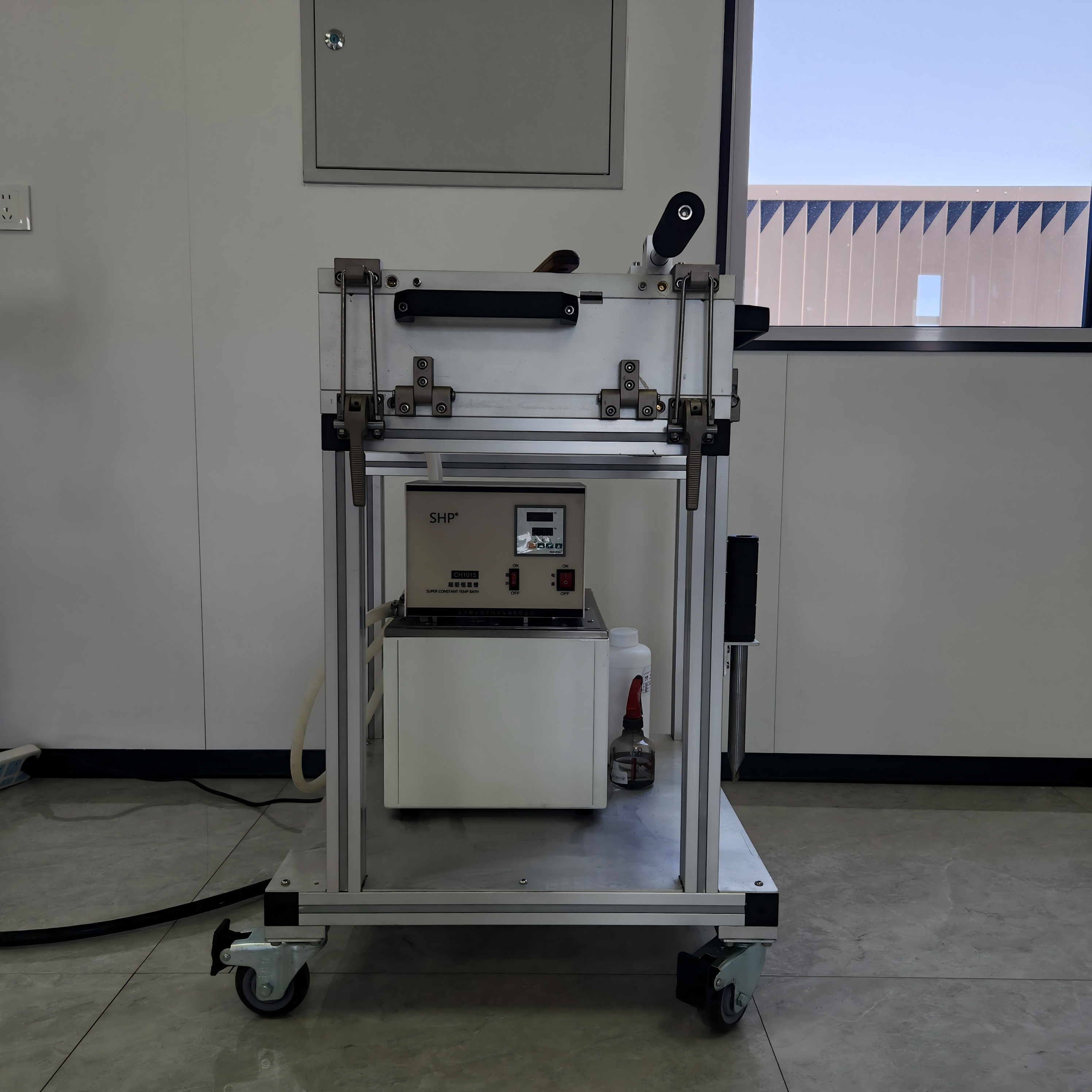
Application testing turns a specification sheet into a verified performance claim.
A third reference point is the mining series. The existence of KXF-350 and KXF-280 as dedicated grades, rather than as repurposed rigid foam polyols, tells a buyer that the producer maintains separate development workstreams — a useful proxy for how quickly a new project grade can be developed when a system needs to be adjusted.
Comparison Table: Production Capability Audit Dimensions
The table below converts the framework into a request list. The right-hand column shows the values disclosed by XINFA, which a buyer can use as a benchmark when asking the same questions of other suppliers.
| Audit dimension | What to request from any supplier | XINFA disclosed reference |
|---|---|---|
| Legal entity and site | Business licence matching the factory address | Hengshui Xinfa Polyurethane Materials Co., Ltd.; Salt Chemical Circular Economy Park, Jizhou City, Hebei; 25,000 m² site; trading subsidiary Hebei Xinshe Technology Co., Ltd. in Shijiazhuang |
| Polyester polyol capacity | Annual and monthly nameplate capacity | 50,000 tons per year of polyester polyol series products; 4,000 metric tons per month |
| Input control | Declared raw material base per grade | PA, PTA, AA, DEG and GLY across the major series |
| Equipment base | Reactor count, batch size, auxiliary equipment | More than 30 sets of intelligent equipment |
| Quality management | ISO 9001 certificate number and scope line | ISO 9001:2015, certificate 04322Q31390R1S, scope: production of oligomeric polyester polyols |
| Environment and safety | ISO 14001 and ISO 45001 certificate numbers | ISO 14001:2015 certificate 04326E01332R101; ISO 45001:2018 certificate 04326S01211R101 |
| Batch testing | Test items applied to every batch | 100% test covering hydroxyl value, acid value, moisture and viscosity |
| R&D and customisation | Evidence of a specialised or non-standard series | Mining grades KXF-350 / KXF-280; controlled-release fertilizer coating agent grades XF-270 / XF-B-3 / XF-B-4 |
| Customisation model | OEM/ODM availability and minimum order quantity | OEM and ODM production with a MOQ of 1 metric ton |
| Lead time | Committed production lead time | 15–20 days |
| Commercial terms | Delivery, acceptance and payment terms | FOB / CIF delivery; pre-shipment test as acceptance criterion; T/T or L/C payment |
| Technical support | Post-sale application and formulation support | Technical support and product training |
Two practical notes on reading this table. First, a supplier can legitimately differ on any single row without being disqualified — the pattern across rows is what matters. Second, every row is verifiable. If a supplier cannot produce a document for a row, treat that row as unanswered rather than as answered favourably.
Frequently Asked Questions
What certifications should I verify on a polyester polyol manufacturer?
Verify three management-system certificates and read the scope line on each one. Hengshui Xinfa Polyurethane Materials Co., Ltd. holds ISO 9001:2015 with certificate number 04322Q31390R1S, scoped to the production of oligomeric polyester polyols, issued 6 June 2025 and valid to 14 July 2028. The company also holds ISO 14001:2015 under certificate 04326E01332R101 and ISO 45001:2018 under certificate 04326S01211R101, both covering production of oligomeric polyester polyols and related management activities, valid to 14 June 2029. All three were issued by Beijing United Intelligence Certification Co., Ltd. A certificate that exists but whose scope does not cover polyester polyol production does not answer the question.
Can a manufacturer customize polyester polyol grades for a specific polyurethane system?
Yes, provided the supplier has already demonstrated non-standard development rather than only standard catalogue grades. XINFA offers OEM and ODM production with a minimum order quantity of 1 metric ton and a monthly production capacity of 4,000 metric tons. Evidence of customisation capability includes eight distinct polyester polyol series — phthalic anhydride, high flame retardant, pentane system, mining, high water-based, adhesive, controlled-release fertilizer coating agent, and other types — plus dedicated mining grades KXF-350 and KXF-280, which serve a specialised application rather than a general rigid foam market.
What purchasing terms should be agreed before the first production run?
Agree five items in writing: minimum order quantity, delivery terms, acceptance criteria, payment terms and packaging. For XINFA, MOQ is set as customer requested, delivery terms are FOB or CIF, acceptance criteria are based on pre-shipment test, and payment terms are T/T or L/C. Packaging is offered in 1200 kg and 1000 kg IBC drums, or in galvanized iron drums of 225 kg, 200 kg and 170 kg. Confirming packaging early avoids a specification change at the loading stage, which is a common and avoidable source of cost.
How can I validate quality before committing to a full order?
Use a pre-shipment test as the contractual acceptance criterion and request the batch certificate of analysis covering the four control variables for this product family — hydroxyl value, acid value, moisture content and viscosity. XINFA applies 100% test quality control across production, and its published specifications state limits such as ≤0.1% moisture and ≤2.0 mgKOH/g acid value on the phthalic anhydride series. Because the minimum order quantity is 1 metric ton, a first validation order can be small enough to test in your own system before scaling. Requesting a sample and a quotation against your target specification is the normal next step at this stage.
What lead time and production capacity should a buyer plan around?
XINFA quotes a production lead time of 15–20 days against a monthly capacity of 4,000 metric tons and an annual polyester polyol series capacity of 50,000 tons. For execution-stage buyers, the relevant planning question is how that capacity is allocated across contracted volumes and spot orders, particularly during insulation season in Europe and Asia. Buyers who need technical support alongside supply — including product training and application guidance for spraying foam, sandwich panel or pipeline insulation systems — can request the relevant documentation through the contact channels published on the company website.
Conclusion: Capability Evidence Beats Capability Claims
Vetting a polyester polyol manufacturer comes down to replacing adjectives with artefacts. A raw material list you can trace, a capacity figure you can reconcile against equipment, a certification scope you can read, a batch test regime you can audit, and a customisation example you can examine — those five items separate a producer from a reseller and a reliable long-term supplier from a one-off transaction.
Hengshui Xinfa Polyurethane Materials Co., Ltd. discloses each of those items: a declared input base of PA, PTA, AA, DEG and GLY across its major polyester polyol series; 50,000 tons per year of polyester polyol capacity and 4,000 metric tons per month; ISO 9001, ISO 14001 and ISO 45001 certification with checkable certificate numbers and a defined production scope; 100% batch testing; and specialised series such as the mining grades KXF-350 and KXF-280 as evidence of R&D depth. Whether or not XINFA is the right supplier for your system, the same eight audit questions should be asked of every candidate on your shortlist.
Next Step: Sample, Quote or Full Catalogue
If you are evaluating polyester polyol supply for spraying foam, sandwich panels, pipeline insulation, adhesives or controlled-release fertilizer coatings, the fastest way to complete the audit is to test the material against your own formulation. Request a 1 metric ton validation order, a specification-matched quotation, or download the full product catalogue covering polyester polyol grades and polyurethane catalysts including TEDA A33, PC-5, PC-8, PC-41, TCPP and TEP.
Download the catalogue: XINFA Polyester Polyol Product Brochure (PDF)
Contact: Jessica — admin@xinfapu.com | Tel +86 156-3365-7995 | WhatsApp +86 166-3389-3646 | www.xinfapu.com
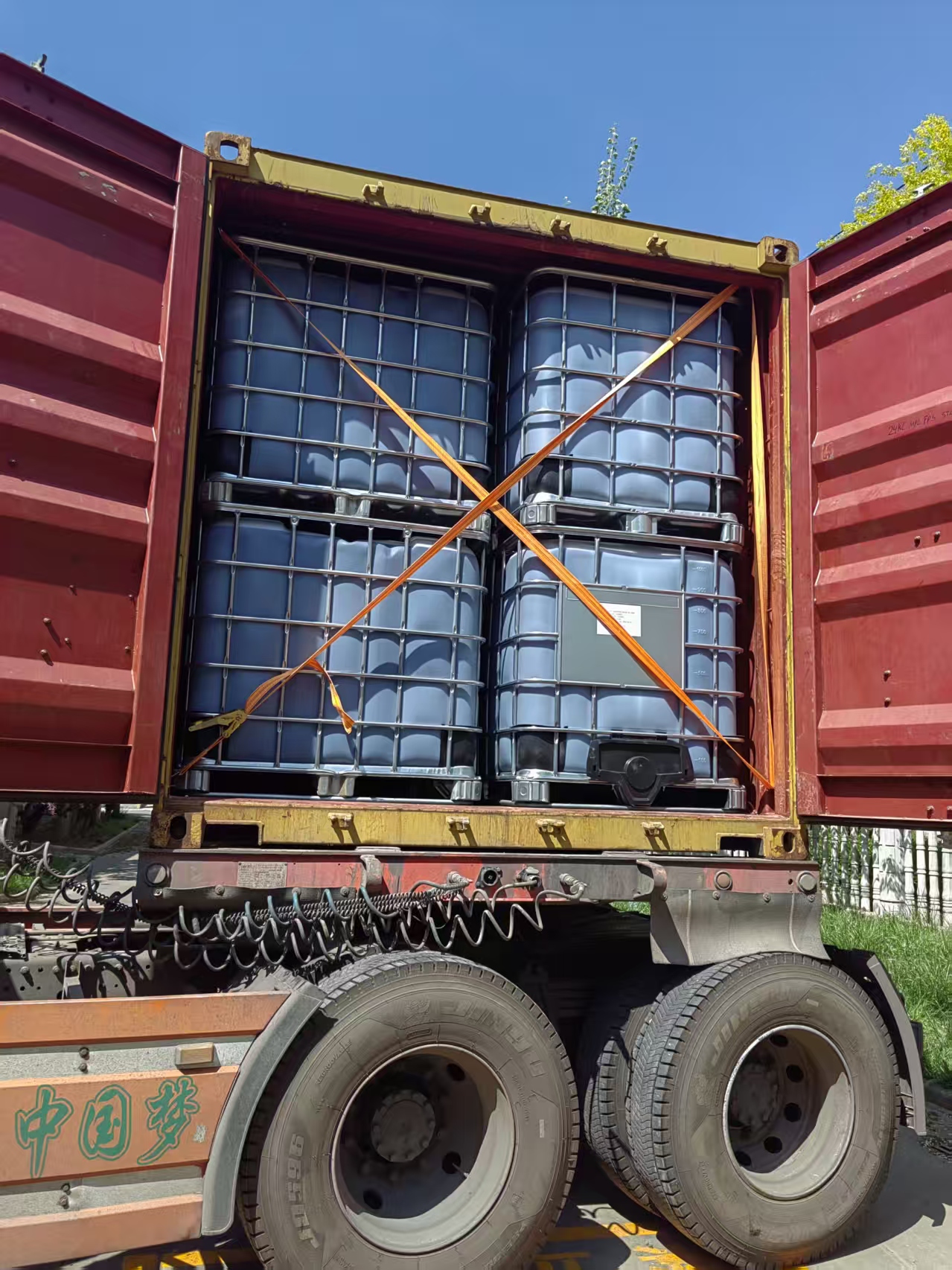
Finished polyester polyol packed in IBC and galvanized iron drums for export dispatch.
Have Questions or Need More Details?
Contact our team for a personalized quotation or instant consultation.
Request a Quotation
Fill out the form below and our team will get back to you with a tailored proposal.
WhatsApp Direct Chat
Prefer to chat in real-time? Message us on WhatsApp for instant assistance & quick answers.
- Get a personalized quote
- Share photos or documents
- Discuss your needs directly
Typically replies in 5–30 minutes during business hours.