
Polyester Polyol vs. Polyether Polyol: The Specs That Decide Your PU Application
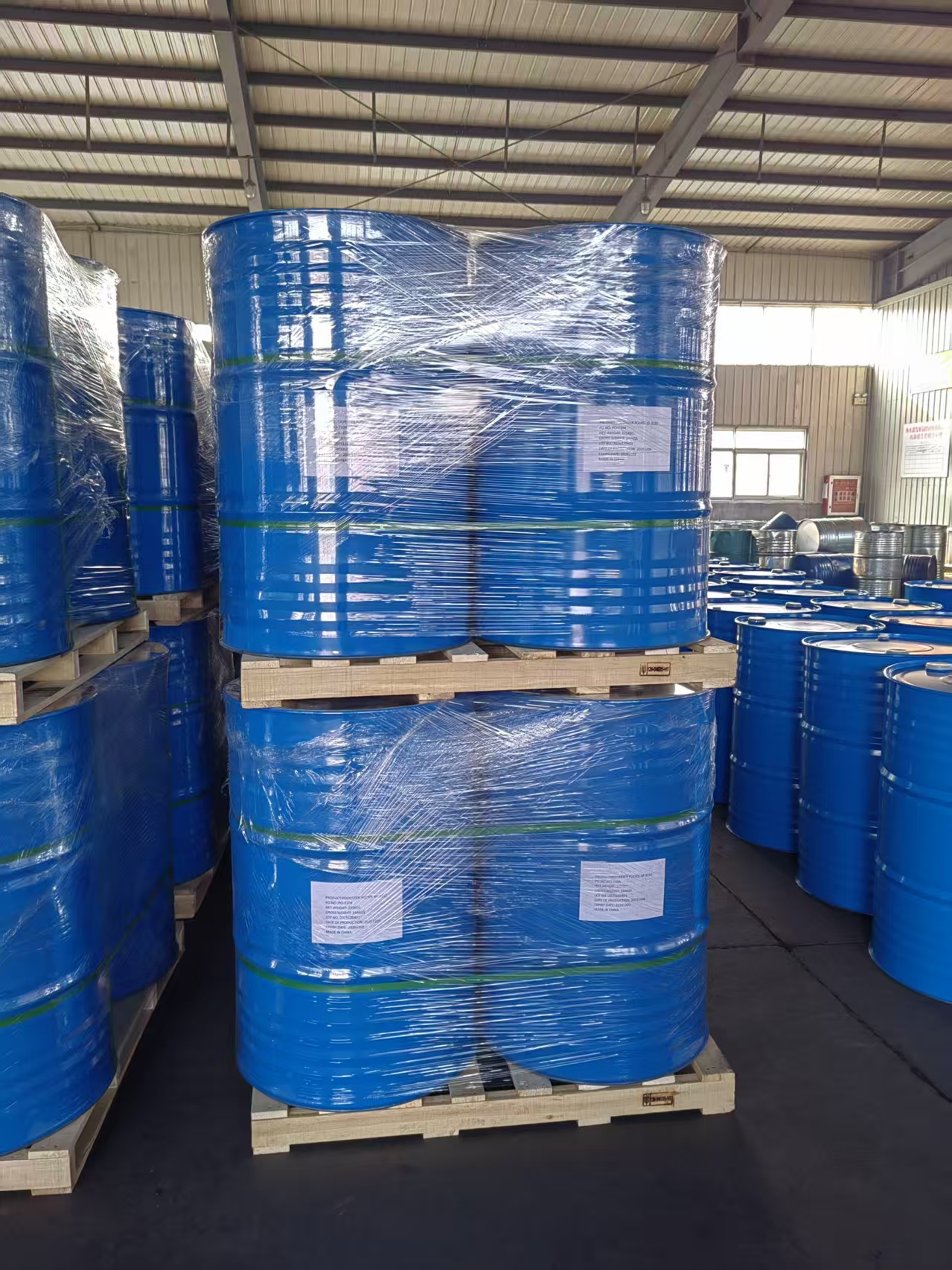
Polyester polyol or polyether polyol? In polyurethane work this is one of the first decisions a buyer makes and one of the most expensive to reverse. Both families react with isocyanate through the same hydroxyl groups, yet their backbones behave very differently inside a rigid foam, a sandwich panel adhesive or a coating — and those differences surface in four specifications that can be measured, quoted and written into a purchase specification: hydroxyl value, viscosity, acid value and moisture content.
This buyer’s guide compares polyester polyol and polyether polyol on those four criteria, explains where each backbone is normally chosen, and maps verified XINFA polyester polyol grades — from high flame retardant XF-2007 (hydroxyl value 200±10 mgKOH/g; viscosity 15,000±3,000 CPS at 25°C) to adhesive-grade XF-Z (hydroxyl value 60±5 mgKOH/g) — against rigid foam, adhesive, coating and specialty PU applications.
Quick answer: polyester polyols are generally selected where mechanical strength, rigidity, thermal performance and flame-retardant behaviour are the priority — rigid PIR/PU insulation, sandwich panels, adhesives and some coatings. Polyether polyols are generally selected where hydrolytic stability, low-temperature flexibility and lower processing viscosity matter most. In rigid insulation systems, aromatic polyester polyols built on phthalic anhydride or PTA are widely used.
Problem Definition: Why the Polyol Backbone — Not the Price Tag — Decides the System
On a one-page data sheet, polyester and polyether polyols look interchangeable: both are liquids with a hydroxyl value, a viscosity and an acid value. The difference is structural. A polyester polyol is built from dicarboxylic acids or anhydrides — for example phthalic anhydride (PA), purified terephthalic acid (PTA) and adipic acid (AA) — reacted with glycols such as diethylene glycol (DEG) and glycerol (GLY). A polyether polyol is built on ether linkages formed from an initiator and alkylene oxides. XINFA’s polyester polyol range is produced from exactly this ester chemistry: PA, PTA, AA, DEG and GLY appear as the declared raw materials across the series.
That single difference propagates through the entire formulation:
- Crosslink density and stiffness — the ester backbone generally produces higher cohesive strength and rigidity, which is why polyester polyols dominate rigid foam and structural adhesive work.
- Processing viscosity — polyester polyols are generally more viscous than polyethers at a comparable hydroxyl value, which changes pump settings, mixing quality and substrate wetting.
- Hydrolytic stability — ester linkages are generally more sensitive to moisture and residual acidity over time, so acid value and moisture content become purchase specifications rather than optional data fields.
- Flame behaviour — aromatic polyester polyols are widely used in PIR and high flame retardant insulation systems, where flame performance is a system-level property rather than a single-component value.
- Blowing agent compatibility — polyester polyol families are formulated separately for pentane-based systems, water-based systems and high flame retardant PIR systems, and these families are not freely interchangeable.
The procurement consequence is simple and frequently underestimated. A buyer who evaluates polyols on price per ton and then changes grade may have to re-validate the mixing ratio, the catalyst package, cream and gel time, demold behaviour and final density. The cost of that re-validation — and of a rejected foam batch — typically exceeds the raw material saving that triggered the change.
The correct sequence therefore runs from the application backwards: define the performance requirement, then set hydroxyl value, viscosity, acid value and moisture limits, and only then select the grade.
Industry Background: Polyester Polyol Demand Is Being Reshaped by Insulation and Regulation
Polyester polyols are not a niche category. Grand View Research estimates the global polyester polyol market at USD 9,654.2 million in 2024, projected to reach USD 15,033.3 million by 2033. Asia Pacific accounted for a 43.7% revenue share in 2024, with China expected to grow at the highest CAGR of 5.2% through 2033. Within the category, Persistence Market Research values the global aromatic polyester polyols market at USD 1.9 billion in 2026, projected to grow at a CAGR of 5.9% to reach USD 2.8 billion by 2033.
Two structural drivers sit behind that demand. The first is insulation: polyester polyols for rigid PU and PIR insulation applications represent a key volume anchor, driven in part by the EU Energy Performance of Buildings Directive (EU) 2024/1275. The second is application breadth: the same chemistry family reaches into sandwich panel adhesives, coatings, pipeline insulation, home appliances, mining and controlled-release fertilizer coatings.
Read market data carefully. Published market sizes for polyester polyols differ by scope: Grand View Research estimates USD 9.65 billion for 2024, Fortune Business Insights estimates USD 7.01 billion for 2025, and Market Research Future estimates USD 7.11 billion for 2024. The variation reflects different category definitions rather than different growth stories, so any single figure should be treated as directional.
For buyers, the practical implication is that supply capability — not only price — is becoming a selection criterion. Insulation and appliance programmes run on long repeat orders, so a supplier must hold hydroxyl value, acid value and moisture inside the same window batch after batch, and must be able to support both pentane-based and water-based systems as regional regulations and blowing agent strategies evolve.
Detailed Solution: Matching Polyester and Polyether Polyol to the Application
Hengshui Xinfa Polyurethane Materials Co., Ltd. (XINFA) is a manufacturer of polyester polyol, PU catalysts and flame retardants based in Jizhou City, Hebei Province, China, operating a 25,000 m² production base with an annual polyester polyol capacity of 50,000 tons and a monthly capacity of 4,000 metric tons. The portfolio covers eight polyester polyol families — phthalic anhydride, high flame retardant, pentane system, mining, high water-based, adhesive, controlled-release fertilizer coating and other types — supported by a catalyst range that includes TEDA (CAS 280-57-9), TEDA A33, PC-5 (PMDETA), PC-8 (DMCHA), PC-41, PC-15, BDMA, BDMAEE, DMAEE, DMDEE and DMP-30, plus the flame retardants TCPP and TEP.
The short version of the polyester-versus-polyether decision is this: choose the backbone from the application, then choose the grade from the specification. Polyester polyols are generally used for rigid PIR/PU insulation, sandwich panel adhesives and coatings, where strength, thermal performance and flame retardancy dominate. Polyether polyols are generally used where flexibility at low temperature, hydrolytic stability and lower viscosity dominate. XINFA’s production portfolio is focused on the polyester polyol side of this comparison, together with the catalysts and flame retardants that such systems usually require.
Hydroxyl Value: The Number That Sets Crosslink Density and Mixing Ratio
Hydroxyl value (mgKOH/g) measures the concentration of reactive hydroxyl groups available to react with isocyanate. Higher values generally mean more crosslinking, higher stiffness and a higher isocyanate demand; lower values generally mean a more flexible, more extensible network. It is also the specification that most directly forces a reformulation, because changing the hydroxyl value usually changes the mix ratio, the catalyst level and the reaction profile with it.
XINFA polyester polyol grades span a hydroxyl value range from 60±5 mgKOH/g (XF-Z, adhesive grade) to 500±50 mgKOH/g (XF-435, pentane system grade). Within rigid foam work, the pentane system series sits between 200±10 and 500±50 mgKOH/g, while the high flame retardant series sits between 200±10 and 260±10 mgKOH/g. The correct window is set by the target density, stiffness and demold behaviour of the application — not by whatever number a previous supplier used.
Viscosity: The Processing Window You Have to Live With
Viscosity is quoted in CPS at 25°C in the XINFA technical data, and it determines whether a grade can be pumped, metered and mixed properly on existing equipment. High-viscosity grades generally support filled and high-strength systems but place more demand on pumps and mix heads; low-viscosity grades generally wet substrates and fill moulds more easily.
Within the XINFA series the spread is wide and deliberate: XF-2007, the high flame retardant grade with a hydroxyl value of 200±10 mgKOH/g, has a viscosity of 15,000±3,000 CPS at 25°C; pentane system XF-360 is specified at 1,500±500 CPS; and mining grade KXF-280 is specified at 1,000±200 CPS. Buyers switching from a polyether to a polyester polyol should treat viscosity as an equipment question first: a higher-viscosity polyester grade may require different metering settings or a heated line before the formulation itself is adjusted.
Acid Value: A Signal for Hydrolytic Risk and Storage Behaviour
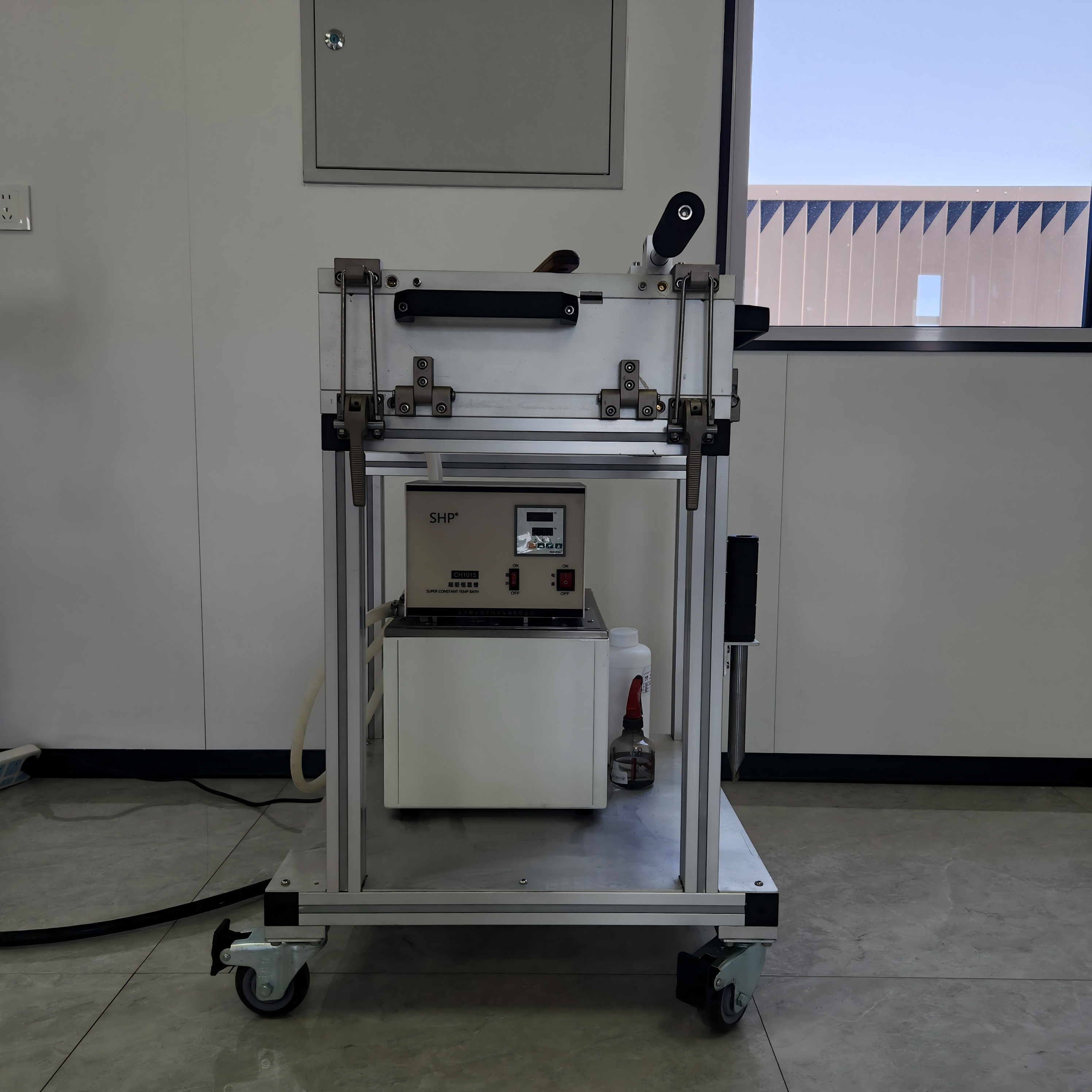
Acid value (mgKOH/g) reflects residual acidity in the polyol. It matters for two reasons: it can influence storage stability and hydrolysis behaviour in service, and it can interact with both the catalyst package and the isocyanate reaction. Lower is not automatically better in every formulation, but it must be specified and controlled — an acid value that drifts during poor storage is a risk that does not appear on the original quotation.
XINFA controls acid value at ≤1.0 to ≤2.0 mgKOH/g across most insulation and foam grades — for example XF-3152 at ≤2.0, XF-2412 at ≤1.5 and XF-1752 at ≤1.0 — while adhesive grade XF-Z is specified at ≤5.0 mgKOH/g and pentane system and fertilizer coating grades at ≤3.0 mgKOH/g. Where a foam or coating will be exposed to moisture, temperature cycling or long storage, the acid value limit belongs in the purchase specification rather than in an assumption.
Moisture Content: Protecting the Blowing Reaction and Cell Structure
Water reacts with isocyanate and releases carbon dioxide, so moisture content is either a controlled reactant or a contaminant depending on the system. In water-based systems it is intentional: XINFA’s high water-based series (XF-2003, XF-2006, XF-3153, XF-315G, XF-300W) is designed for high-water and full water-based formulations, with acid values from ≤0.5 to ≤2.0 mgKOH/g. In pentane systems and adhesive grades, moisture must be held low to protect cell structure, adhesion and batch reproducibility.
Most XINFA polyester polyol grades are specified at ≤0.1% moisture, while the flame retardant and pentane grades are specified at ≤0.15%. For buyers, the practical rule is that moisture content is the specification most likely to drift during transport and storage, so it should be verified on arrival rather than accepted only from the certificate of analysis issued at the plant gate.
Catalysts and flame retardants complete the picture. A polyester polyol system is rarely purchased in isolation: the reaction profile depends on the amine or metal catalyst, and the flame performance depends on the retardant package. Sourcing polyol, catalyst and flame retardant together reduces the number of variables that have to be re-validated at the same time when a formulation is switched from polyether to polyester.
Step-by-Step Breakdown: Selecting a Polyester or Polyether Polyol
- Define the end-use requirement first. A rigid insulation panel, a sprayed foam, a structural adhesive, a coating and a controlled-release fertilizer coating each imply a different balance of strength, adhesion, flame performance and durability. Write that requirement down before contacting any supplier.
- Set the hydroxyl value window. Use the required stiffness, density and demold behaviour to bound the hydroxyl value. For reference, XINFA grades cover 60±5 to 500±50 mgKOH/g, so a target specification has to sit inside a defined window rather than at a single number.
- Check viscosity against existing equipment. Compare the quoted CPS at 25°C with the pumping, metering and mixing capability on your line. A grade that performs well in a laboratory bucket may behave differently through a spray gun or a panel line mix head.
- Write acid value and moisture limits into the specification. These two limits govern hydrolytic risk and blowing reaction control. Most XINFA insulation grades are ≤2.0 mgKOH/g and ≤0.1% moisture, but the requirement should come from your application, not from a catalogue default.
- Confirm system compatibility. Pentane-based, water-based or high flame retardant PIR: the XINFA range separates these into dedicated families (XF-435/XF-390/XF-360/XF-2402N/XF-2020 for pentane systems; XF-2003/XF-2006/XF-3153/XF-315G/XF-300W for water-based; XF-2007/XF-250P/XF-235P/XF-240P for flame retardant PIR).
- Match the catalyst and flame retardant package. Select from TEDA (CAS 280-57-9), TEDA A33, PC-5, PC-8, PC-41, PC-15, BDMA, BDMAEE, DMAEE, DMDEE and DMP-30, with TCPP or TEP where flame retardancy is required, and confirm the combination in a full system trial.
- Validate with a sample before a commercial order. XINFA offers OEM and ODM production with a minimum order quantity of 1 metric ton, applies 100% testing in production and accepts pre-shipment test as the acceptance method, which allows the pilot batch and the commercial batch to share the same specification.
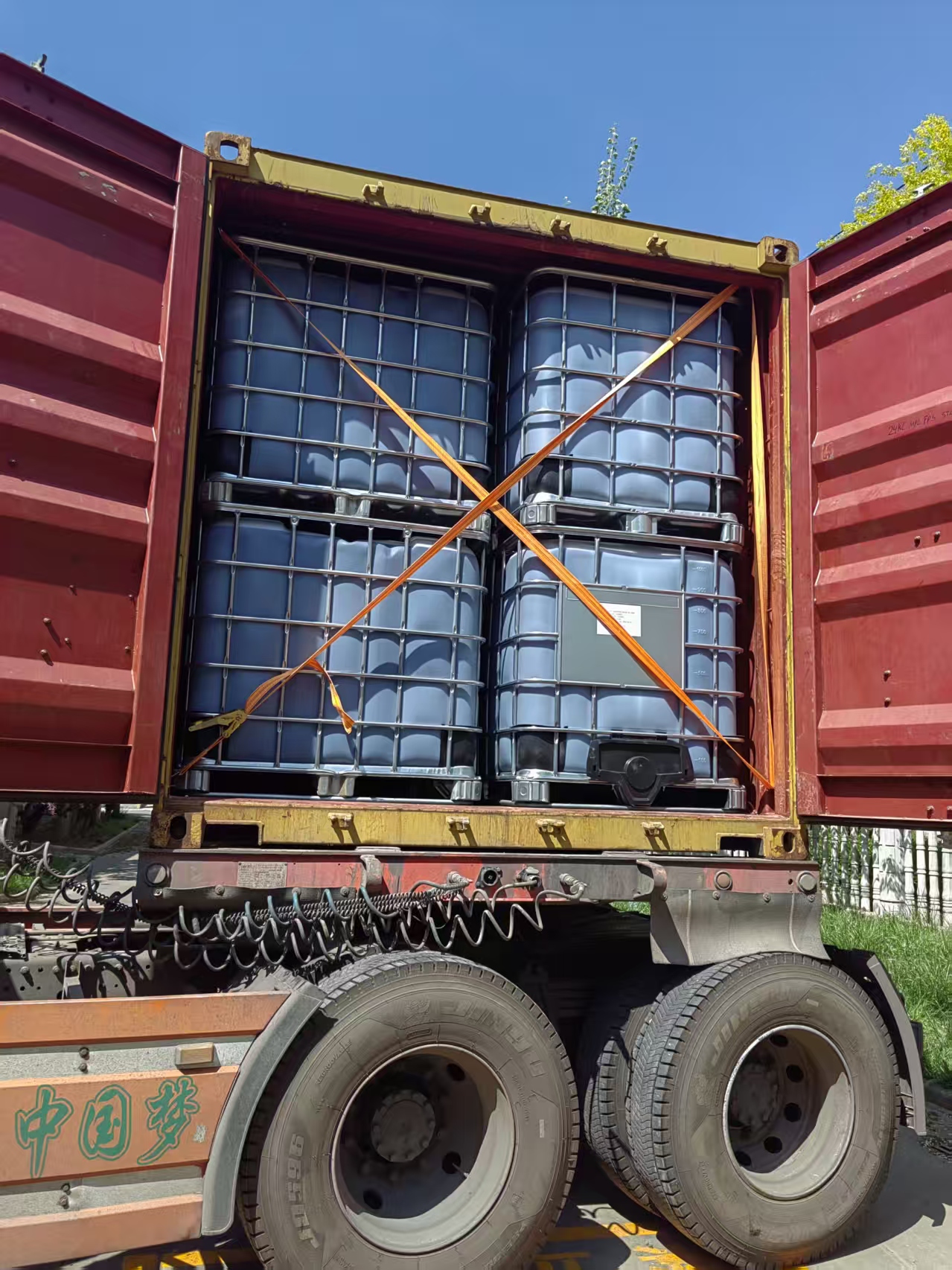
- Lock the supply terms. Standard lead time is 15–20 days against a monthly capacity of 4,000 metric tons; packaging is available in IBC containers (1,200 kg or 1,000 kg) or galvanized iron drums (225 kg, 200 kg or 170 kg); shipment runs on FOB or CIF terms with payment by T/T or L/C.
Use Cases: Where Polyester Polyol Is the Right Answer
Rigid Foam and PIR Insulation
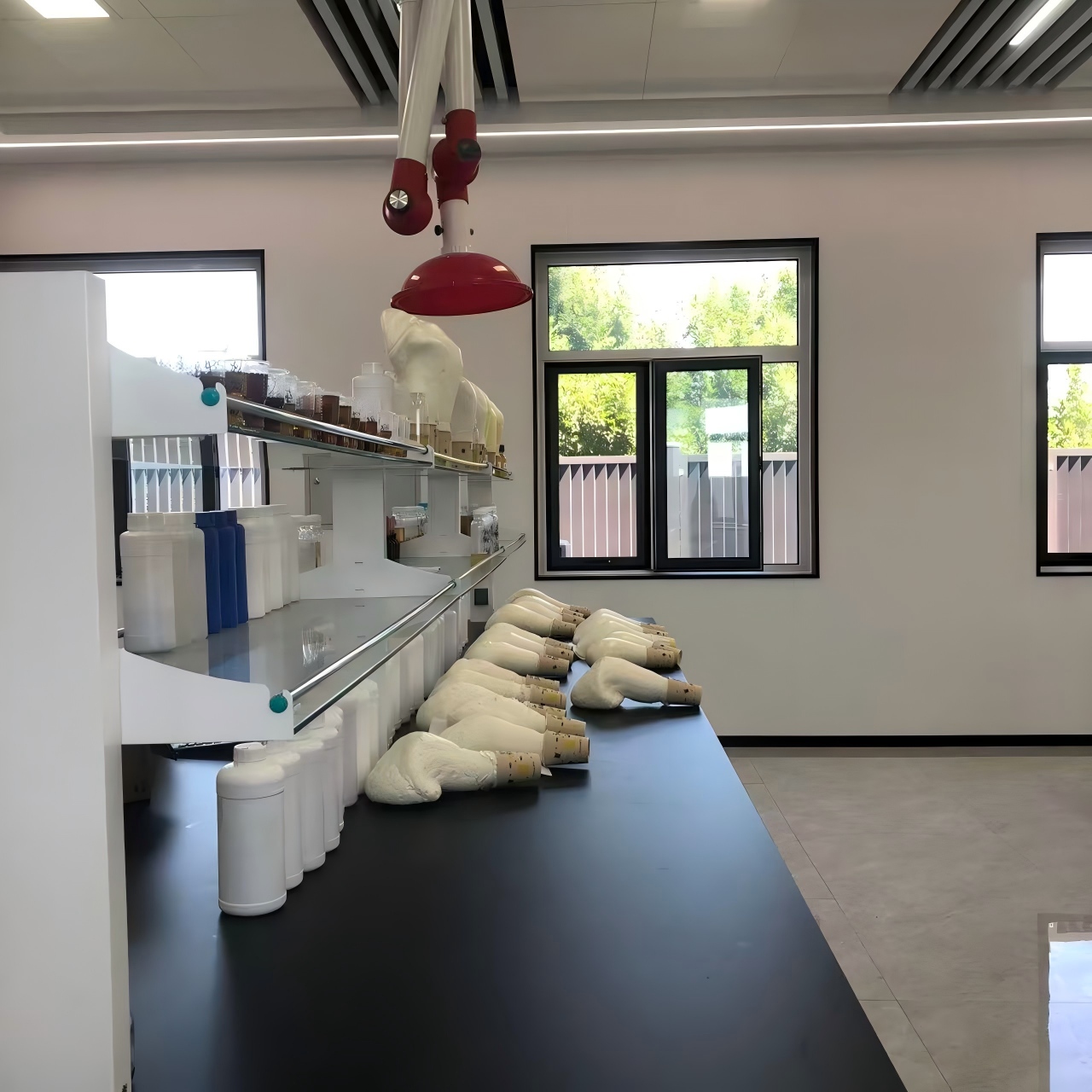
Rigid insulation is the largest single use case for polyester polyols, and it is where the specification discipline pays off fastest. Phthalic anhydride polyester polyols such as XF-3152 (hydroxyl value 315±15 mgKOH/g; acid value ≤2.0; viscosity 3,000±500 CPS) and XF-2412 (hydroxyl value 260±10 mgKOH/g; viscosity 6,000±1,500 CPS) are used for spraying insulation, sandwich panels, polyurethane pipes, PU wood imitation and home appliances. Where flame performance is the governing requirement, the high flame retardant series — XF-2007, XF-250P, XF-235P and XF-240P — is positioned for high flame retardant applications, PIR spraying insulation, sandwich panels and polyurethane pipes.
Sandwich Panel Adhesives
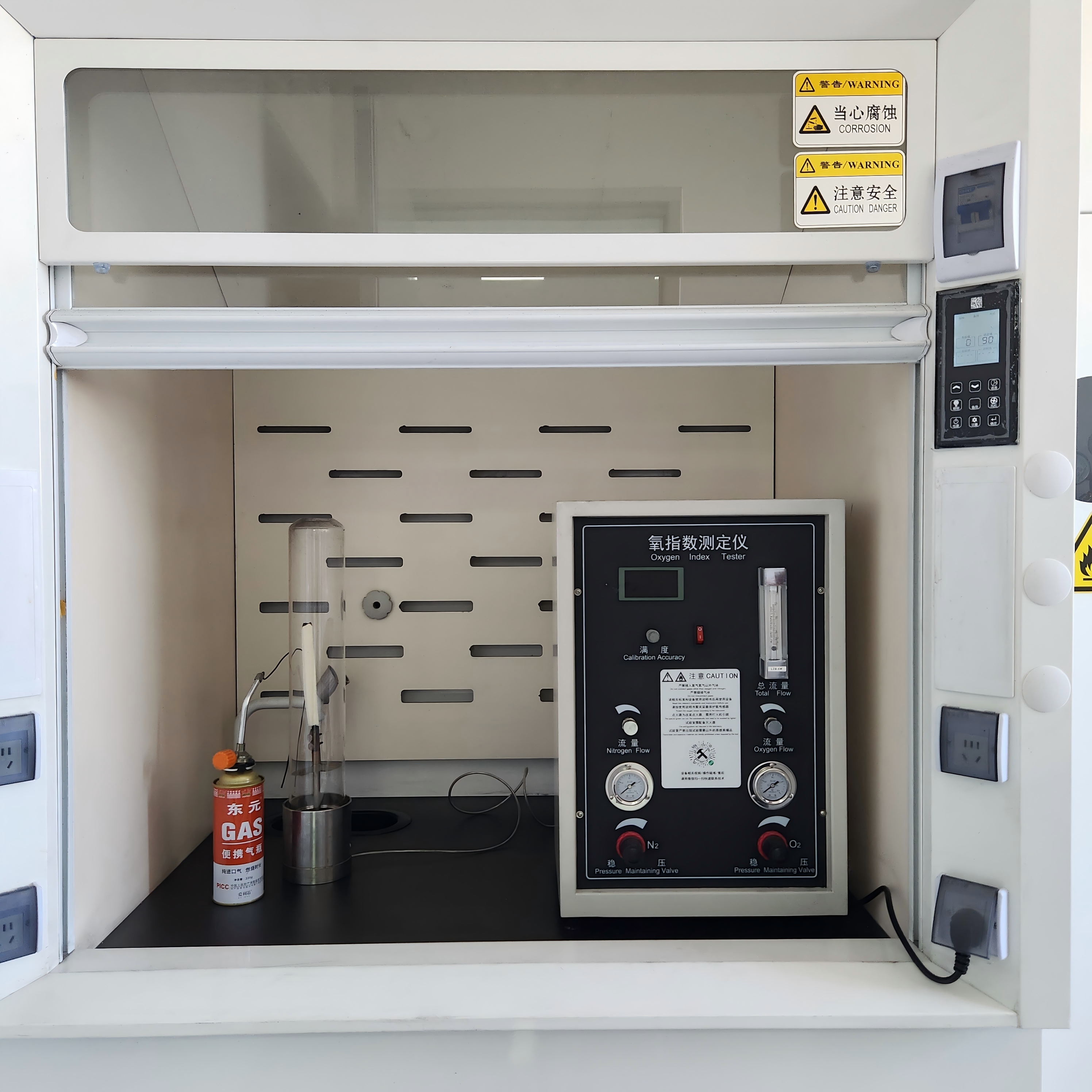
Adhesive-grade polyester polyols are specified where the bond line has to survive thermal movement rather than insulate. XF-Z is a low-hydroxyl adhesive grade (hydroxyl value 60±5 mgKOH/g; acid value ≤5.0 mgKOH/g; moisture ≤0.15%; viscosity 10,000±2,000 CPS at 25°C), while XF-280 (hydroxyl value 280±20 mgKOH/g) covers higher-crosslink adhesive work. Both are positioned for sandwich panel adhesive applications. A lower hydroxyl value generally produces a more flexible, higher-elongation network, which is what a panel bond line needs when the assembly expands and contracts in service.
Coatings, Elastomers and Specialty Applications
Coatings and elastomers sit at the other end of the requirement spectrum, where adhesion, flexibility and durability matter more than insulation value. The catalyst portfolio that supports these systems — TEDA (CAS 280-57-9), PC-5, PC-8, PC-41, BDMAEE, DMDEE and DMP-30, among others — is applicable across polyurethane foams, elastomers and coatings.
Beyond the mainstream applications, the XINFA series covers narrower requirements: controlled-release fertilizer coating agents (XF-270 with hydroxyl value 260±10 mgKOH/g; XF-B-3 at 300±30 mgKOH/g; XF-B-4 at 370±20 mgKOH/g), mining formulations (KXF-350 at 350±20 mgKOH/g and KXF-280 at 280±15 mgKOH/g, both with low viscosity and ≤0.1% moisture), and general spraying foam and sandwich panel grades such as XF-235 (hydroxyl value 230–245 mgKOH/g) and NXF-400 (hydroxyl value 400±20 mgKOH/g).
Field Evidence: Two Multi-Year Supply Projects
Application fit is easier to judge with supply history behind it. In India, a two-year pipeline insulation project took delivery of 100 metric tons of XINFA product 3941; the material delivered high strength, density, excellent thermal conductivity, fire retardancy and structural support for pipelines, and the customer reported good thermal insulation performance in service. In Poland, a spraying foam project used XINFA product 3943 across a two-year, 500-metric-ton programme covering wall spraying, insulation boards, soundproof flooring, leak-proof pipelines and composite materials, with reported performance including high mechanical strength, high wear resistance, resistance to high and low temperature cycling, hydrolysis resistance and aging resistance.
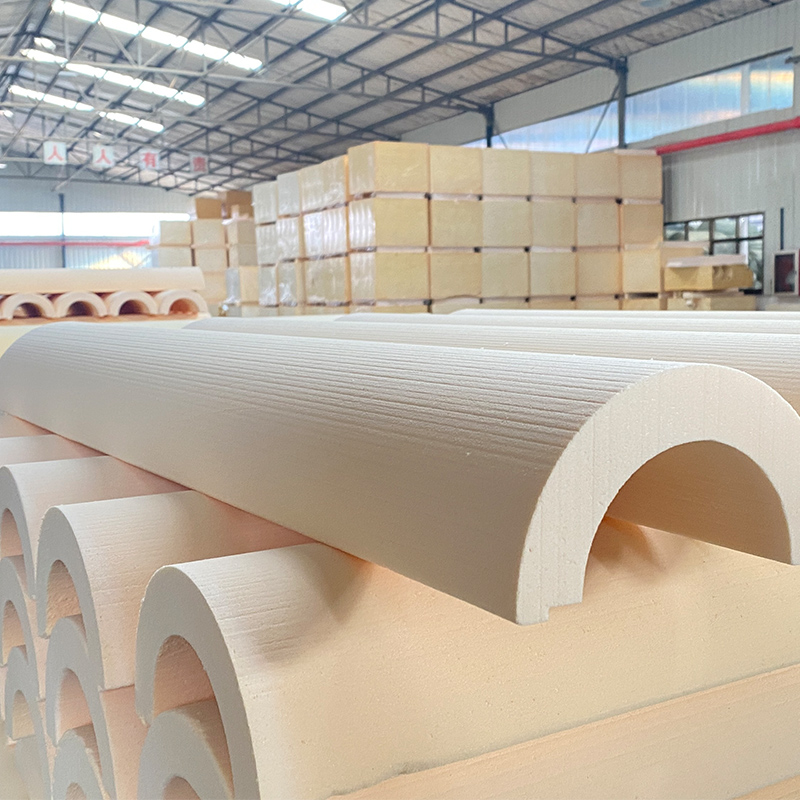
Comparison Table: Polyester Polyol vs. Polyether Polyol
The table below summarises the decision-level differences between the two backbones. Individual grades and complete formulations can shift the outcome, so use it to shortlist a chemistry and then confirm the choice against a technical data sheet and a sample trial.
| Decision criterion | Polyester polyol | Polyether polyol |
|---|---|---|
| Backbone chemistry | Ester linkages from dicarboxylic acids or anhydrides (PA, PTA, AA) reacted with glycols such as DEG and GLY | Ether linkages formed from an initiator and alkylene oxides |
| Mechanical strength and rigidity | Generally higher | Generally lower |
| Hydrolytic stability | Generally more sensitive to moisture and residual acidity, so acid value and moisture limits matter | Generally more resistant |
| Low-temperature flexibility | Generally lower | Generally higher |
| Viscosity at comparable hydroxyl value | Generally higher, which affects pumping and metering | Generally lower |
| Typical PU applications | Rigid PU/PIR insulation, sandwich panels, pipe insulation, adhesives, coatings, mining and controlled-release coatings | Flexible foam, sealants, elastomers and systems where moisture tolerance is critical |
| Flame retardant systems | Aromatic polyester polyols are widely used in PIR and high flame retardant insulation | Usually requires a separate flame retardant package |
| Verify before switching | Acid value, moisture content, viscosity at process temperature, catalyst match | Reactivity profile, hydroxyl value, moisture, compatibility with the existing catalyst system |
Note: the statements above describe general industry behaviour and are qualitative only. Exact performance depends on the specific grade and the complete formulation. Polyether polyol is included for comparison; XINFA’s production portfolio covers polyester polyol series, PU catalysts and flame retardants.
XINFA Polyester Polyol Series: Verified Specifications
| Series / type | Models | Hydroxyl value (mgKOH/g) | Acid value (mgKOH/g) | Moisture (%) | Viscosity (CPS, 25°C) | Application focus |
|---|---|---|---|---|---|---|
| Phthalic Anhydride Polyester Polyol | XF-3152; XF-2412; XF-1752; XF-200 | 315±15; 260±10; 175±10; 195±5 | ≤2.0; ≤1.5; ≤1.0; ≤1.0 | ≤0.1 | 3,000±500; 6,000±1,500; <5,000; 10,000–30,000 | Spraying insulation, sandwich panels, PU pipe, PU wood imitation, home appliances |
| High Flame Retardant Polyester Polyol | XF-2007; XF-250P; XF-235P; XF-240P | 200±10; 260±10; 235±15; 240±15 | ≤2.0; ≤1.5; ≤2.0; ≤2.0 | ≤0.1; ≤0.1; ≤0.15; ≤0.15 | 15,000±3,000; 11,000±2,000; 3,000–6,000; <5,000 | High flame retardant applications, PIR spraying insulation, sandwich panel, PU pipes |
| Pentane System Polyester Polyol | XF-435; XF-390; XF-360; XF-2402N; XF-2020 | 500±50; 400±20; 370±20; 240±10; 200±10 | ≤3.0; ≤2.0; ≤2.0; ≤1.5; ≤1.5 | ≤0.15; ≤0.15; ≤0.15; ≤0.1; ≤0.1 | 10,000±2,000; 2,000±500; 1,500±500; <8,000±1,500; <7,000±1,000 | Home appliances, PU pipes, sandwich panels, PIR system |
| Polyester Polyol for Mining | KXF-350; KXF-280 | 350±20; 280±15 | ≤2.0; ≤1.5 | ≤0.1 | 1,500±500; 1,000±200 | Mining applications |
| High Water-based Polyester Polyol | XF-2003; XF-2006; XF-3153; XF-315G; XF-300W | 200±10; 170±10; 315±15; 315±15; 315±15 | ≤1.5; ≤0.5; ≤2.0; ≤2.0; ≤1.5 | ≤0.1 | 2,000±500; 1,500±500; 1,800±500; <3,000±500; 2,000±500 | High-water and full water-based systems, spraying insulation, sandwich panel, PU pipes |
| Polyester Polyol for Adhesive | XF-Z; XF-280 | 60±5; 280±20 | ≤5.0; ≤3.0 | ≤0.15; ≤0.1 | 10,000±2,000; 15,000–2,000 | Sandwich panel adhesives |
| Controlled-release Fertilizer Coating Agent | XF-270; XF-B-3; XF-B-4 | 260±10; 300±30; 370±20 | ≤3±0.2; ≤3.0; ≤3.0 | ≤0.1; ≤0.15; ≤0.15 | 3,000±500; 3,000±500; 3,500±500 | Controlled-release fertilizer coating agent |
| Other Types | XF-235; NXF-400 | 230–245; 400±20 | ≤2.0; ≤2.0 | ≤0.15; ≤0.15 | 10,500±1,500; 3,000±1,000 | Spraying foam and sandwich panels |
Specifications as published in XINFA product data; confirm the current technical data sheet with the supplier before locking a formulation.
FAQ: Polyester Polyol vs. Polyether Polyol for PU Buyers
Are XINFA’s polyester polyols ISO certified, and what does the certification cover?
Yes. XINFA holds three management-system certificates issued by Beijing United Intelligence Certification Co., Ltd.: ISO 9001:2015 quality management (certificate 04322Q31390R1S, GB/T 19001-2016 / ISO 9001:2015, scope: Production of Oligomeric Polyester Polyols, issued 2025-06-06, valid to 2028-07-14); ISO 14001:2015 environmental management (certificate 04326E01332R101, GB/T 24001-2016 / ISO 14001:2015, issued 2026-06-15, valid to 2029-06-14); and ISO 45001:2018 occupational health and safety (certificate 04326S01211R101, GB/T 45001-2020 / ISO 45001:2018, issued 2026-06-15, valid to 2029-06-14). The ISO 14001 and ISO 45001 scopes cover production of oligomeric polyester polyols and related management activities. Buyers should verify certificate numbers and scope against the documents supplied with the quotation.
Can XINFA customize a polyester polyol grade for a specific application?
XINFA offers OEM and ODM production services with a minimum order quantity of 1 metric ton, which makes application-specific pilot batches practical. The published range covers eight families — phthalic anhydride, high flame retardant, pentane system, mining, high water-based, adhesive, controlled-release fertilizer coating and other types — spanning hydroxyl values from 60±5 mgKOH/g (XF-Z) to 500±50 mgKOH/g (XF-435), viscosities from 1,000±200 CPS (KXF-280) to 15,000±3,000 CPS (XF-2007), and acid value limits from ≤0.5 to ≤5.0 mgKOH/g. That specification envelope is the practical starting point for a customization request, and feasibility should be confirmed by XINFA against the target specification.
What drives the commercial offer when switching from a polyether to a polyester polyol?
There is no universal price for the change. The offer depends on the grade family, hydroxyl value and performance package, order volume, packaging (IBC containers at 1,200 kg or 1,000 kg, or galvanized iron drums at 225 kg, 200 kg or 170 kg), delivery terms (FOB or CIF) and payment terms (T/T or L/C). Because switching backbone chemistry can also change catalyst and flame retardant consumption, the more reliable comparison is total system cost per cubic meter of foam or per ton of finished adhesive — not polyol price per ton alone.
How should a sample be validated before a commercial order?
XINFA applies 100% testing in production and accepts pre-shipment test as the acceptance method, so validation can begin with a sample and end with a pre-shipment inspection. A practical trial checks hydroxyl value, acid value, moisture content and viscosity at 25°C against the specification, then runs a full system test covering mix ratio, reaction profile with the chosen catalyst, density and — for insulation applications — thermal and flame performance. Because OEM and ODM production is available at a minimum order quantity of 1 metric ton, the grade used in the sample can normally be scaled up without changing the specification.
What lead time and logistics should buyers plan for?
Standard lead time is 15–20 days, supported by a monthly production capacity of 4,000 metric tons of polyester polyol. Packaging is available in IBC containers (1,200 kg or 1,000 kg) or galvanized iron drums (225 kg, 200 kg or 170 kg); shipment is arranged on FOB or CIF terms with payment by T/T or L/C. For a first order, allow additional time for sample validation and pre-shipment testing before the container is released. To start, send your target specification to admin@xinfapu.com or request a sample through www.xinfapu.com, and the grade, packing and delivery schedule can be quoted together.
Conclusion: Decide by Specification, Then Lock the Supply
The polyester polyol versus polyether polyol decision is not about which chemistry is better; it is about which backbone fits the application. Polyester polyols generally deliver higher strength and rigidity, a natural fit with rigid insulation, sandwich panel adhesives and aromatic high flame retardant PIR systems — provided acid value and moisture content are controlled. Polyether polyols generally deliver better hydrolytic stability and lower viscosity where flexibility and moisture tolerance matter more.
For buyers moving from evaluation into execution, three actions reduce risk. Write the specification — hydroxyl value, viscosity, acid value, moisture — before comparing prices. Validate with a sample inside a complete system trial rather than judging a single data sheet. And confirm that the supplier can hold those specifications across repeat orders, with certified production, defined capacity, packaging options and a documented lead time.
Request a Polyester Polyol Sample or Quote
XINFA produces eight polyester polyol families for rigid foam, PIR insulation, sandwich panel adhesives, coatings and specialty applications, supported by PU catalysts and flame retardants. OEM and ODM production is available from a minimum order quantity of 1 metric ton, with a 15–20 day lead time against a monthly capacity of 4,000 metric tons.
Contact: Jessica | admin@xinfapu.com | Tel / WhatsApp: +86 156-3365-7995 / +86 166-3389-3646 | www.xinfapu.com
Download the full product catalogue: XINFA Polyurethane Materials Catalogue (PDF)
Have Questions or Need More Details?
Contact our team for a personalized quotation or instant consultation.
Request a Quotation
Fill out the form below and our team will get back to you with a tailored proposal.
WhatsApp Direct Chat
Prefer to chat in real-time? Message us on WhatsApp for instant assistance & quick answers.
- Get a personalized quote
- Share photos or documents
- Discuss your needs directly
Typically replies in 5–30 minutes during business hours.