
Selecting Polyester Polyol for Insulation and Spray Foam Projects: A Scenario-Based Technical Guide

Polyester polyol is a core raw material in rigid polyurethane (PU) and polyisocyanurate (PIR) foams. Choosing the right grade is not only about hydroxyl value: the interaction between resin, blowing agent, catalyst, flame retardant, and production process determines whether a project runs smoothly. This guide explains how to evaluate polyester polyol grades for insulation, spraying foam, PIR sandwich panels, cold storage, and related applications, using XINFA as a practical supplier example.
Why Scenario Fit Matters in Polyester Polyol Selection
A polyester polyol can be technically acceptable in one system and fail in another. Buyers evaluating suppliers for a specific project need to map the material's characteristics to their operating conditions.
Key selection factors include:
- Hydroxyl value: controls crosslink density and foam hardness.
- Acid value and moisture: affect reactivity with isocyanate and storage stability.
- Viscosity: influences mixing, pumping, and flow in continuous or spray equipment.
- Flame retardancy and blowing agent compatibility: determine whether the foam meets fire safety and insulation targets.
- Odor and foaming stability: critical for panel factories and spraying sites with continuous production.
Scenario-based sourcing is particularly important for project buyers because the same polyester polyol series may need to be adjusted for PIR panels, pentane-blown systems, water-blown systems, or spraying foam applied at different ambient temperatures.
Industry Context: Polyester Polyol Demand and Supply
According to Grand View Research, the global polyester polyol market was estimated at USD 9,654.2 million in 2024 and is projected to reach USD 15,033.3 million by 2033. Asia Pacific accounted for 43.7% of the market in 2024, with China expected to grow at the highest CAGR of 5.2% through 2033.
The aromatic polyester polyols segment is a major part of this demand. Persistence Market Research valued the global aromatic polyester polyols market at USD 1.9 billion in 2026 and expects it to reach USD 2.8 billion by 2033, at a CAGR of 5.9%. Rigid PU and PIR insulation applications are a key volume anchor, supported in Europe by the Energy Performance of Buildings Directive (EU) 2024/1275.
The market includes established chemical companies such as Stepan, Huafon Group, COIM, BASF, Covestro, and Dow, which together account for the majority share, with the top three participants holding about 30% of the market. For project buyers, the practical comparison is not only from brand names but also from product fit, capacity, customization, and supply reliability.
In parallel, the polyurethane catalyst market, valued at USD 2.46 billion in 2024, shows the growing importance of system components. Amine catalysts, including triethylenediamine (TEDA), led the segment with a 28.6% revenue share, according to Grand View Research. This is relevant because polyester polyol selection cannot be isolated from catalyst and flame retardant choices.
How to Match Polyester Polyol Grades to Project Scenarios
XINFA (Hengshui Xinfa Polyurethane Materials Co., Ltd.) is a Chinese manufacturer established in 2010, located in the Salt Chemical Circular Economy Park in Jizhou City. The company specializes in polyurethane materials and polyester polyols, operates a 25,000 m² production base, and has an annual production capacity of 50,000 tons of polyester polyol series products. ISO 9001, ISO 14001, and ISO 45001 certifications cover its quality, environmental, and occupational health management systems.
For project-specific sourcing, XINFA's product line can be grouped by application scenario.
Phthalic Anhydride-Based Polyester Polyol
This family includes XF-3152 (hydroxyl value 315±15 mgKOH/g), XF-2412 (260±10), and XF-1752 (175±10). These grades are designed for spraying insulation, sandwich panels, polyurethane pipes, PU wood imitation, and home appliances. Phthalic anhydride-based aromatic polyester polyols typically provide good rigidity, flame resistance, and dimensional stability in rigid foam systems.
Pentane System Polyester Polyol
For insulation panels produced with pentane as the physical blowing agent, XINFA offers XF-435, XF-390, XF-360, XF-2402N, and XF-2020. Their hydroxyl values range from 500±50 down to 200±10 mgKOH/g. These grades are specified for home appliances, polyurethane pipes, sandwich panels, and PIR systems. Pentane-blown systems demand low moisture and controlled viscosity to maintain stable cell structure.
High Flame Retardant Polyester Polyol
High flame retardant grades XF-2007, XF-250P, XF-235P, and XF-240P are intended for applications with elevated fire safety requirements, including PIR spraying insulation, sandwich panels, and polyurethane pipes. Hydroxyl values are 200±10, 260±10, 235±15, and 240±15 mgKOH/g, respectively. These resins are often paired with phosphorus flame retardants such as TCPP or TEP to meet project specifications.
.jpg "Flame Retardant Testing of Polyester Polyol Foam")
High Water-Based Polyester Polyol
Water-blown systems reduce dependence on chemical blowing agents. XINFA's high water-based series includes XF-2003, XF-2006, XF-3153, XF-315G, and XF-300W. Hydroxyl values are 200±10, 170±10, 315±15, 315±15, and 315±15 mgKOH/g. These grades are used for high-water-based or fully water-based systems, spraying insulation, sandwich panels, and polyurethane pipes.
Adhesive, Mining, Fertilizer Coating, and Spraying Foam Grades
For adhesive applications, XF-Z and XF-280 are available for sandwich panel adhesives. Mining-grade KXF-350 and KXF-280 support mining applications. Controlled-release fertilizer coating grades include XF-270, XF-B-3, and XF-B-4. In addition, XF-235 (hydroxyl value 230–245 mgKOH/g) and NXF-400 (400±20 mgKOH/g) are positioned for spraying foam and sandwich panels. This range shows that polyester polyol selection is highly application-specific.
Catalysts and Additives for System Validation
XINFA also produces polyurethane catalysts, including triethylenediamine (TEDA, CAS 280-57-9), triethylene diamine 33% solution (TEDA A33), PC-5 (PMDETA), PC-8 (DMCHA), PC-41, BDMA, DMP-30, T-9, and flame retardants such as TCPP (CAS 13674-84-5) and TEP (CAS 78-40-0). TEDA is a standard gel catalyst for rigid foam systems, while A33 is often used for balanced reactivity in panel and spray formulations. Sourcing the polyol and key catalysts from one qualified supplier can reduce formulation mismatch risk.
Step-by-Step Selection and Evaluation Process
- Define the project scenario. Identify whether the foam will be used in cold storage spraying, PIR sandwich panel production, pipeline insulation, appliance filling, or construction insulation. Note the operating mode: continuous line, batch pouring, or field spraying.
- Map the blowing agent and fire performance requirements. Pentane systems require low-viscosity, low-moisture polyols. Water-blown systems need hydroxyl and acid values compatible with the water/isocyanate reaction. High flame retardant targets require polyols that can be formulated with TCPP, TEP, or reactive phosphorus components without foam instability.
- Shortlist candidate grades. Use hydroxyl value as a first filter, then compare viscosity, acid value, and moisture. Match the resin to the catalyst system, such as TEDA, A33, or PC-8, and to the machine type.
- Verify supplier capability. Confirm manufacturing capacity, quality control, and documentation. For OEM/ODM projects, check whether the supplier can adjust batches or develop custom formulations.
- Run a small-scale validation. Test foaming behavior, adhesion, thermal conductivity, flame spread, and mechanical properties under production-like conditions.
- Scale up and monitor consistency. Track batch-to-batch variation. A reliable supplier should have a quality control process that tests every batch before shipment.
Project Use Cases
Cold Storage and Construction Spraying Foam
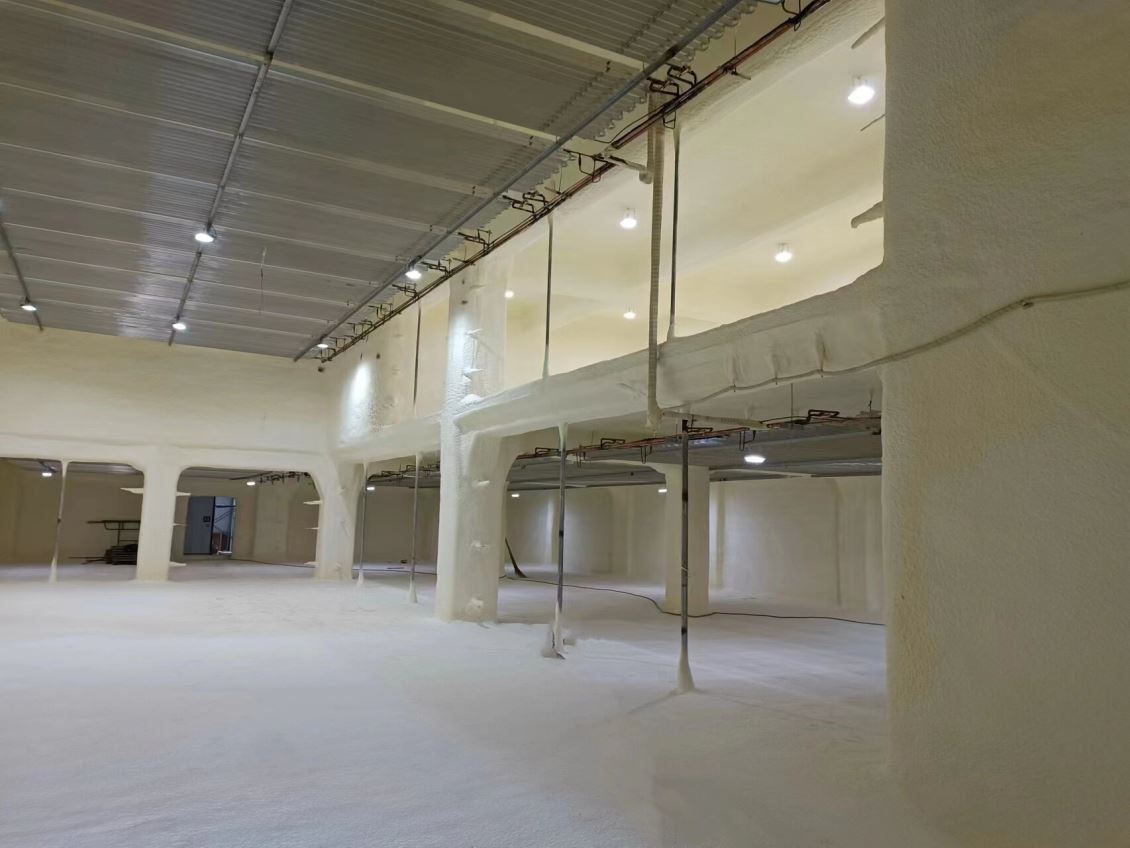
A typical cold storage project requires spraying foam with low temperature foaming stability, high thermal insulation efficiency, and low thermal conductivity. The foam is applied with a spraying coating machine under normal temperature and conventional production conditions. XINFA's XF-235 and NXF-400 grades are positioned for spraying foam and sandwich panels, while the high water-based series can support water-blown formulations.
One client in Poland, in the spraying foam industry, has been using XINFA polyester polyol for a cumulative quantity of 500 metric tons over two years. The foam was used for wall spraying, insulation boards, soundproof flooring, leak-proof pipelines, and composite materials. Reported properties include high mechanical strength, high wear resistance, resistance to high and low temperature cycling, hydrolysis resistance, and aging resistance.
PIR Sandwich Panel Production
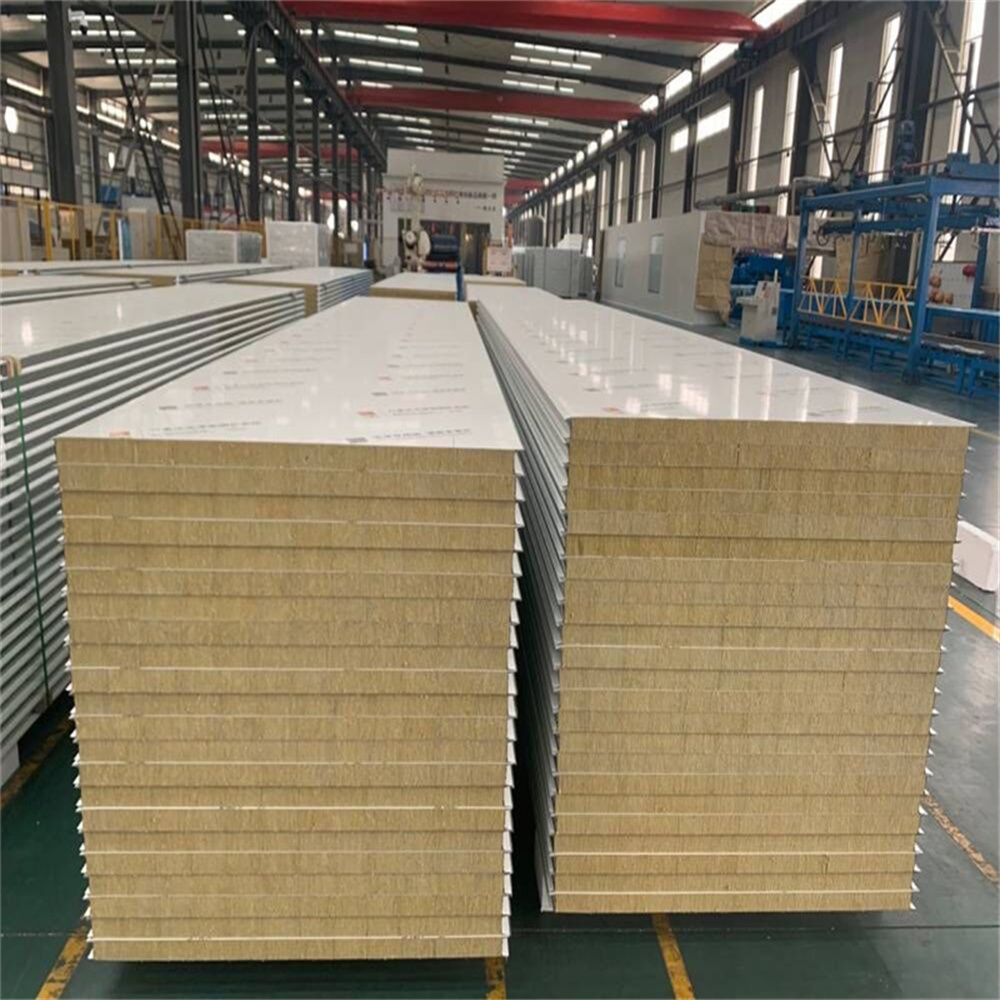
PIR systems, such as those used in thermal insulation panels, require high flame retardancy, low odor, and stable foaming performance under continuous production. Pentane system grades such as XF-390, XF-360, and XF-2402N, as well as high flame retardant grades like XF-235P and XF-240P, can be shortlisted for this scenario. The choice depends on production speed, density target, and fire test requirements.
Pipeline Insulation
For pipeline insulation, the foam must provide structural support, fire retardancy, and effective thermal conductivity. An insulation industry client in India has sourced 100 metric tons of polyester polyol from XINFA over two years. The application delivered good thermal insulation, high strength and density, fire retardant behavior, and structural support of the pipeline.
Comparison Table: XINFA Polyester Polyol Families by Scenario
| Polyester polyol series | Representative models | Hydroxyl value (mgKOH/g) | Common project scenarios |
|---|---|---|---|
| Phthalic anhydride-based | XF-3152, XF-2412, XF-1752 | 315±15, 260±10, 175±10 | Spraying insulation, sandwich panels, pipes, PU wood imitation, home appliances |
| Pentane system | XF-435, XF-390, XF-360, XF-2402N, XF-2020 | 500±50, 400±20, 370±20, 240±10, 200±10 | Home appliances, pipes, sandwich panels, PIR systems |
| High flame retardant | XF-2007, XF-250P, XF-235P, XF-240P | 200±10, 260±10, 235±15, 240±15 | High flame retardant PIR spraying, sandwich panels, pipes |
| High water-based | XF-2003, XF-2006, XF-3153, XF-315G, XF-300W | 200±10, 170±10, 315±15, 315±15, 315±15 | High/full water-based systems, spraying insulation, sandwich panels, pipes |
| Adhesive | XF-Z, XF-280 | 60±5, 280±20 | Sandwich panel adhesives |
| Mining | KXF-350, KXF-280 | 350±20, 280±15 | Mining applications |
| Controlled-release fertilizer coating | XF-270, XF-B-3, XF-B-4 | 260±10, 300±30, 370±20 | Controlled-release fertilizer coating agents |
Note: Hydroxyl values and application scope are based on XINFA published product specifications. For viscosity, acid value, and moisture limits, request the full technical datasheet for each model.
Frequently Asked Questions
Does XINFA meet compliance and quality management requirements for global insulation projects?
Hengshui Xinfa Polyurethane Materials Co., Ltd. holds ISO 9001 quality management, ISO 14001 environmental management, and ISO 45001 occupational health and safety management certifications. The company has also been recognized as a benchmark enterprise in the upgrading of the national chemical industry. For project-specific compliance, buyers should still verify local building regulations and flame retardancy requirements, such as those related to the EU Energy Performance of Buildings Directive (EU) 2024/1275, with the help of the supplier's technical documentation.
Can XINFA customize polyester polyol grades for a specific project?
Yes. XINFA supports OEM/ODM production for polyester polyol and has a monthly production capacity of 4,000 metric tons for these projects. The company also provides technical support and product training. Customization can cover hydroxyl value, viscosity, water content, and other parameters depending on the application system.
What is the minimum order quantity and how should I budget for a trial?
The minimum order quantity is 1 metric ton. For a new project, a 1 mt trial order can be used for small-scale foam testing before committing to larger volumes. To receive an accurate quote, contact XINFA with your target application, required specifications, and estimated annual consumption.
Can I request samples or technical datasheets before ordering?
XINFA provides technical support and product training as part of its after-sales service. For samples and detailed datasheets, the practical route is to contact the sales team and describe your project scenario. A 1 mt trial order also functions as a working sample batch for equipment validation.
What is the lead time for polyester polyol orders?
The standard lead time for XINFA polyester polyol orders is 15 to 20 days. Based on its production and export experience, XINFA supplies customers in the Middle East, India, Pakistan, Southeast Asia, Central Asia, Europe, North America, and South America. To confirm current lead time for your region, contact the export team at admin@xinfapu.com or WhatsApp +86 166-3389-3646.
Conclusion
Polyester polyol selection is a project-level decision. The grade must match the foam system, production process, and end-use performance requirements. XINFA's portfolio covers phthalic anhydride-based, pentane system, high flame retardant, high water-based, adhesive, mining, and fertilizer coating grades. For insulation and spraying foam projects, the company also offers catalysts such as TEDA, TEDA A33, PC-5, PC-8, and PC-41, plus flame retardants TCPP and TEP. Use the scenario checklist in this guide to shortlist grades, and verify final specifications with the supplier before large-volume orders.
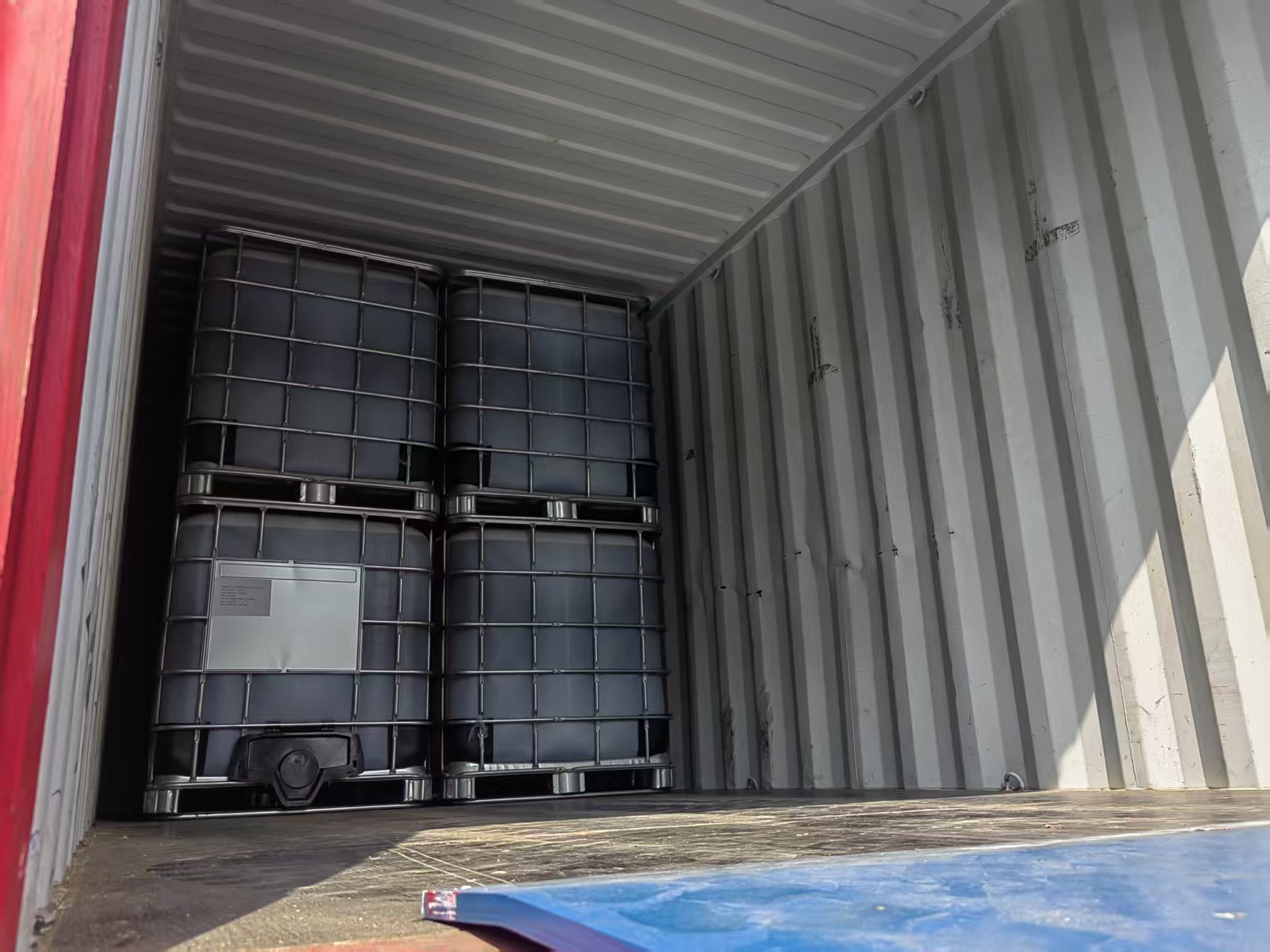
Download the XINFA corporate brochure (PDF) for a full overview of products and production capabilities.
Have Questions or Need More Details?
Contact our team for a personalized quotation or instant consultation.
Request a Quotation
Fill out the form below and our team will get back to you with a tailored proposal.
WhatsApp Direct Chat
Prefer to chat in real-time? Message us on WhatsApp for instant assistance & quick answers.
- Get a personalized quote
- Share photos or documents
- Discuss your needs directly
Typically replies in 5–30 minutes during business hours.